
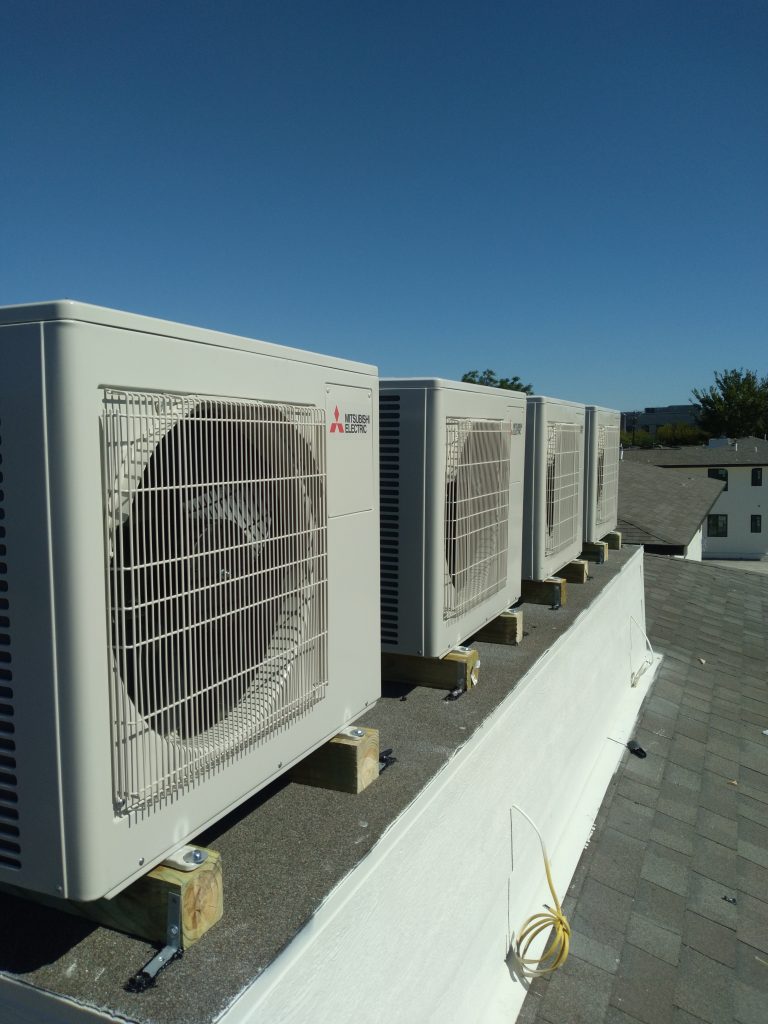
If you’re exploring heating and cooling options for your home, you’ve probably come across mini split systems. These innovative HVAC solutions have revolutionized how we think about comfort in our homes and businesses. But what exactly is a mini split system, and why has it become increasingly popular in recent years?
The Basics: What is a Mini Split System?
A mini split system, also known as a ductless mini split or split-system air conditioner, is a highly efficient heating and cooling system that allows you to control the temperature in individual rooms or zones. Unlike traditional HVAC systems that rely on extensive ductwork throughout your home, mini splits use a two-part system: an outdoor compressor/condenser unit and one or more indoor air-handling units.
In North America, mini splits have carved out a unique niche in the HVAC market. They’ve become the go-to solution for specific applications where traditional systems might not be practical or cost-effective. You’ll commonly find them in:
- Garages and workshops where adding ductwork would be impractical
- Tiny houses and accessory dwelling units (ADUs) where space is at a premium
- Home additions where extending existing HVAC systems would be costly
- Bonus rooms or sunrooms that aren’t well-served by the main HVAC system
- Historic homes where installing ductwork would compromise the building’s integrity
While mini splits initially gained popularity in these specialized applications, they’re increasingly being considered for whole-home solutions in North America. Homeowners and builders are recognizing their benefits for new construction and full-home retrofits, following the lead of many other countries where mini splits are the primary HVAC choice.
The Birth of Mini Splits: A Japanese Innovation
The story of mini splits begins in Japan during the 1970s, during a time when the country was focusing intensely on energy efficiency and space-saving innovations. In a country where space comes at a premium and energy costs were rising, engineers needed to develop a cooling solution that could meet these unique challenges. Traditional American-style central air conditioning systems, with their bulky ductwork, simply weren’t practical for Japanese homes and apartments.
The development of mini splits was driven by several key factors:
- The oil crisis of the 1970s, which made energy efficiency a top priority
- Japan’s space-conscious urban architecture
- A cultural preference for individual room control
- The need for both heating and cooling in a single system
- A desire for quieter operation than traditional window units
Japanese manufacturers like Daikin and Mitsubishi led the charge, developing increasingly sophisticated systems that combined high efficiency with compact design. These systems quickly became the standard not just in Japan, but throughout Asia. Their success in these markets led to rapid adoption in Europe, where similar concerns about energy efficiency and space utilization made mini splits an attractive option.
The technology continued to evolve, with manufacturers adding features like inverter-driven compressors, advanced filtration systems, and smart home integration. Today’s mini splits are the result of over four decades of continuous innovation and refinement.
Beyond the Wall Unit: Types of Mini Split Systems
While most people associate mini splits with the sleek wall-mounted units they’ve seen in restaurants or homes, there’s actually a wide variety of options available:
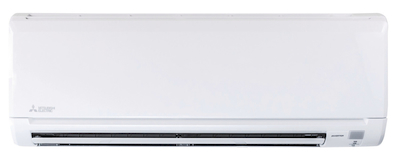
Wall-Mounted Units
The most common and recognizable type, these units are typically installed high on the wall and are excellent for most living spaces.
Floor-Mounted Units
Perfect for rooms with limited wall space or under windows, these units work similarly to old-school radiators but with modern efficiency.
Ceiling Cassettes
Ideal for commercial spaces or homes with drop ceilings, these units mount flush with the ceiling for a discrete appearance.

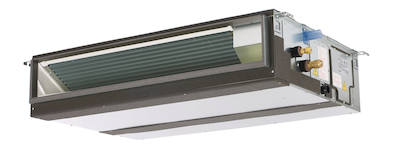
Ducted Mini Splits
Yes, you read that right – some mini splits can actually work with small duct systems! These are perfect for homeowners who want the efficiency of a mini split but prefer a more traditional look with ceiling vents.
The Major Players: Mini Split Brands
The mini split market includes several well-established manufacturers, each with their own strengths:
Premium Tier
- Mitsubishi Electric: Known for their quality and reliability
- Daikin: A global leader in HVAC innovation
- Fujitsu: Renowned for their efficiency and technology
- LG: Famous for their smart home integration
- Samsung: Known for their sleek design and technology integration
Mid-Tier and Rebranded Options
It’s worth noting that many familiar American HVAC brands now offer mini splits, but here’s an insider secret: most of these units are actually manufactured by the major Asian manufacturers mentioned above and simply rebranded. This isn’t necessarily a bad thing – it often means you’re getting proven technology with local support.
Lower-Tier Options
There’s also a growing market of budget-friendly mini split brands, often available through online retailers like Amazon. These units typically come from Chinese manufacturers and are sold under various brand names. While they can provide basic heating and cooling functionality at a lower price point, there are some important considerations:
- Parts availability is often limited or non-existent
- Specifications may not match those of premium brands
- Warranty support can be challenging to obtain
- When these units fail, replacement is usually more practical than repair
- Installation support and documentation may be limited
These aren’t necessarily “bad” units – they can work well for budget-conscious projects or temporary solutions. However, they’re generally not recommended for primary HVAC applications where long-term reliability is crucial.
Regional Considerations: Location Matters
One size definitely doesn’t fit all when it comes to mini splits. The system that works perfectly in Dallas won’t necessarily be the best choice for Seattle or Chicago. Here’s why:
- Hot Climates (like Dallas): Units need to be sized with a focus on cooling capacity and humidity control. The good news? Mini splits excel at both.
- Cold Climates (like Chicago): Heat pump capabilities become crucial, and proper sizing is essential to maintain efficiency in sub-freezing temperatures.
- Mixed Climates (like Seattle): Versatility is key, and mini splits shine here with their ability to both heat and cool efficiently.
The Efficiency Factor
Mini splits are known for their impressive energy efficiency, and it’s not just marketing hype. These systems achieve their high efficiency through several innovations:
- Inverter Technology: Unlike traditional systems that are either on or off, mini splits can adjust their output to maintain precise temperatures.
- Zonal Control: Heat and cool only the spaces you’re using.
- No Duct Losses: Traditional ducted systems can lose 20-30% of their energy through ductwork.
Cost Considerations
The cost of a mini split system can vary significantly based on several factors:
Professional Installation
- Single-zone systems typically range from $3,000-$8,000+ installed
- Multi-zone systems can range from $6,000-$15,000+ installed. This all depends on the # of units, complication and other factors.
DIY Installation
- Single-zone DIY kits start around $700-$5,000 depending on the size and brand
- Multi-zone DIY kits range from $3,000 and up
However, it’s important to note that while DIY installation might seem appealing, professional installation ensures proper sizing, placement, and warranty coverage. DIY installations are better suited for 1-to-1 applications and Multi-zone applications need to be installed by a professional installer.
Looking Forward
Mini split systems represent more than just another HVAC option – they’re part of a broader shift toward more efficient, customizable home comfort solutions. As energy costs continue to rise and homeowners become more conscious of their environmental impact, mini splits offer a compelling combination of efficiency, flexibility, and comfort.
Final Thoughts
Whether you’re building a new home, renovating an existing space, or simply looking for a more efficient heating and cooling solution, mini split systems deserve serious consideration. Their versatility, efficiency, and increasing affordability make them an excellent choice for many situations.
Remember, while this overview covers the basics, each aspect – from sizing to installation to maintenance – deserves careful consideration. Working with a qualified HVAC professional can help ensure you choose the right system for your specific needs.
Want to learn more? Stay tuned for our upcoming posts where we’ll dive deeper into specific aspects of mini split systems, including detailed comparisons between brands, installation best practices, and maintenance tips.

