
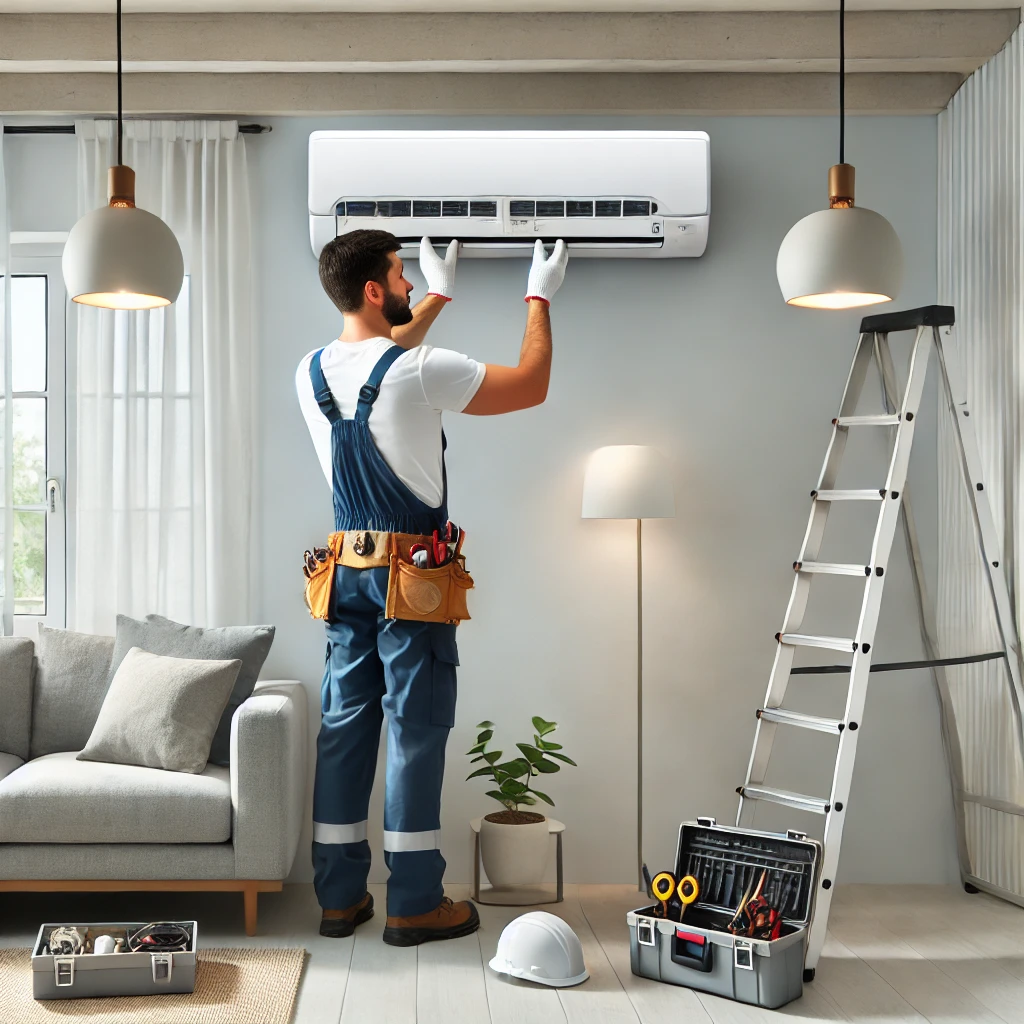
When it comes to air conditioning and mini split systems, the question of whether to go the DIY route or hire a pro often boils down to one thing- COST. I’ve been in the HVAC industry for 11 years, with 7 of those spent selling and installing mini splits, heat pumps, and VRF systems. Trust me, I’ve seen everything from DIY successes to disasters. Let’s break down the costs of each approach so you can decide what’s best for your home improvement project and peace of mind.
The Cost of DIY Mini Split Installation
DIY mini split systems have gained popularity thanks to pre-packaged kits that promise easy installation. Here’s a look at the typical costs:
| Expense | Approximate Cost |
| Mini Split System Kit | $1,000–$2,500 |
| Specialized Tools (vacuum pump, torque wrench) | $200–$500 |
| Installation Materials (mounting brackets, pipe, drain line) | $100–$300 |
| Permit Fees (if required) | $50–$200 |
| Total Estimated Cost | $1,350–$3,500 |
Pros of DIY Installation:
- Lower upfront costs. You save on labor fees, which can make up a significant portion of professional installation.
- Flexibility. Work on your schedule, not someone else’s.
- Learning experience. Tackle a satisfying challenge while learning about components like copper tubing, Schrader valves, and compressors.
Cons of DIY Installation:
- Time-consuming. A first-time DIYer might take 1–2 days to complete the job, especially when handling components like the air handler, condenser, and duct placement.
- Mistakes can be costly. A poorly installed system can lead to refrigerant leaks, inefficiency, or voided warranty.
- Tool investment. If you don’t already own tools like a vacuum pump, adapter, or torque wrench, costs can add up.
The Cost of Professional Mini Split Installation
Professional installation ensures your system is installed correctly and up to code. Here’s what you might expect:
| Expense | Approximate Cost |
| Mini Split System Kit | $1,000–$2,500 |
| Labor Costs (electrician, HVAC pro) | $1,000–$3,000 |
| Permit Fees (handled by contractor) | Included in labor fees |
| Total Estimated Cost | $2,000–$5,500 |
Pros of Professional Installation:
- Guaranteed quality. Professionals know how to size, place, and install the system for optimal energy efficiency.
- Saves time. Most pros can install a mini split in less than a day, handling everything from electrical wiring to securing the condenser on the roof or wall.
- Warranty protection. Many brands require professional installation to honor their warranty.
- Safety and code compliance. Licensed contractors ensure your system meets local regulations, including proper handling of nitrogen, circuit breakers, and drain lines.
Cons of Professional Installation:
- Higher upfront cost. Labor fees can sometimes match or exceed the cost of the system itself.
- Scheduling. You’ll need to coordinate with the contractor’s availability.
Hidden Costs and Savings to Consider
The real cost comparison isn’t just about installation. Here are factors that can tip the scale:
Energy Efficiency
- A professionally installed system will likely have a higher Seasonal Energy Efficiency Ratio (SEER), saving you money on energy bills.
- A DIY system with poor air handler placement or improper copper tubing installation may run inefficiently, increasing costs.
Repairs and Maintenance
- DIY mistakes, like not tightening a Schrader valve or mishandling the drain line, can lead to costly repairs.
- Professionals often include warranty or maintenance plans, covering issues like corrosion or humidity problems.
Longevity
- A correctly installed system lasts longer, especially with proper fuse, thermostat, and remote control integration.
- Poor DIY work can shorten the lifespan of components like the evaporator, pump, and floor-mounted air handler.
So, Which Saves More Money?
It depends on your situation. Here’s a quick guide:
Go DIY If:
- You have the tools or are willing to invest in items like a vacuum pump and wrench.
- You’re confident in your ability to follow instructions, handle refrigerant, and troubleshoot issues.
- You’re installing a single-zone system in a straightforward location like a bedroom, garage, or attic.
Hire a Pro If:
- You want the system installed quickly and correctly, with all pipes, valves, and electrical wiring secured.
- You’re dealing with a multi-zone system, natural gas connections, or a complex layout involving lighting and home automation.
- You value long-term efficiency, safety, and warranty protection.
Conclusion
While DIY installation can save you money upfront, professional installation often pays off in the long run with better performance, fewer repairs, and peace of mind. Whether you choose the DIY route or hire epic HVAC pros, understanding the components-like copper, compressors, and climate factors-can make all the difference. Need help? Let’s chat and explore the best options for your bathroom, bedroom, or entire home!

