
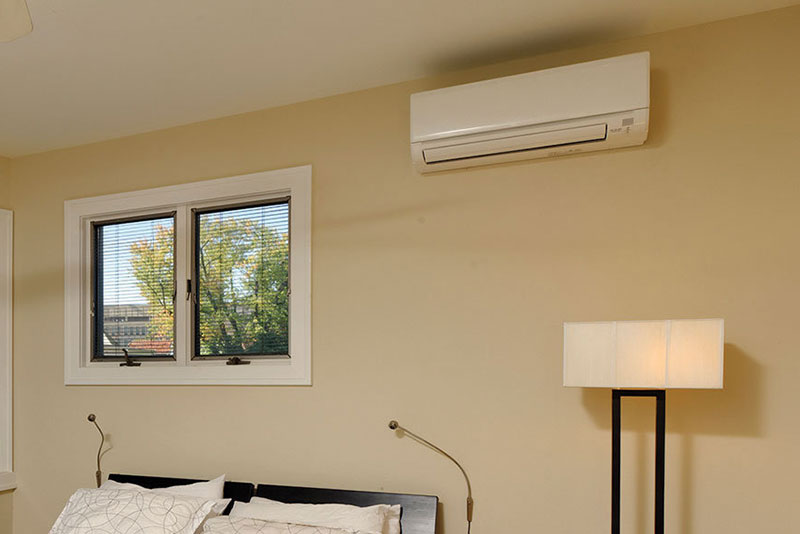
Are you tired of dealing with inconsistent temperatures in your bedroom? Whether it’s too hot in the summer or too cold in the winter, finding the right solution can feel overwhelming. A mini room AC unit might be just what you need to maintain consistent temperature control. With over 11 years in the HVAC industry and a background in energy efficiency, I’ve helped countless homeowners upgrade their comfort and reduce energy bills with single room heat and air conditioning systems.
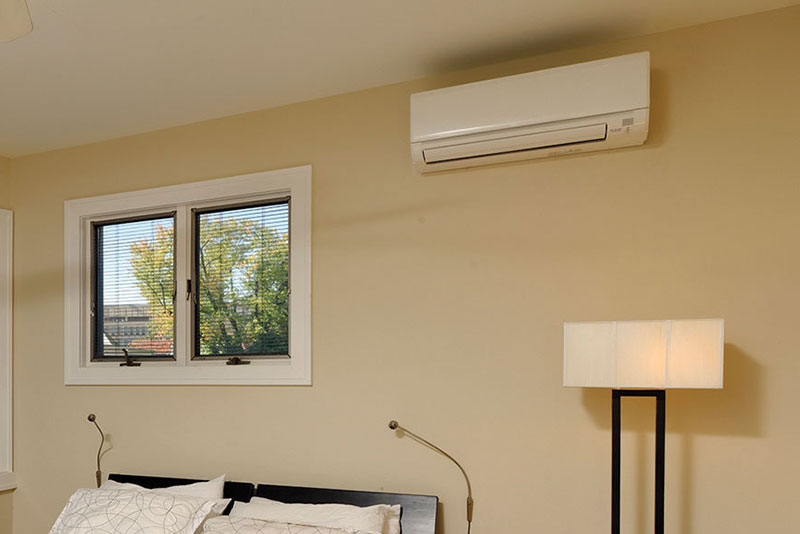
If you’re considering a switch, let me guide you through the benefits, process, and tips for choosing the best room HVAC unit to meet your needs.
Benefits of a Bedroom Mini Split Unit
When it comes to comfort, energy savings, and air quality, a bedroom mini split unit checks all the boxes. As someone with years of experience in HVAC and energy efficiency, I can tell you these systems offer more than just temperature control, they transform the way you live. Let me break down why so many homeowners are switching to mini splits for their bedrooms.
1. Energy Efficiency
Traditional furnace and duct systems often lose energy as air moves through long ducts, especially in areas like the attic or basement. Mini split units eliminate this energy loss by delivering conditioned air directly to the room.
Additionally, features like thermostats allow you to control the climate in individual rooms, ensuring energy isn’t wasted heating or cooling unused spaces. Whether it’s the bathroom, bedroom, or even a closet, you can customize settings to suit your needs.
From my experience, one of the biggest reasons people choose mini splits is because they can control the temperature for individual rooms. If you only need to cool your bedroom at night, you’re not wasting energy heating or cooling the rest of your home. It’s efficient and practical.
2. Customizable Comfort
Everyone has different preferences when it comes to sleeping temperatures. Mini splits let you set the exact climate you want for your bedroom without affecting the rest of the house. Mini split systems make temperature control simple with individual settings for each space.
For example, a small AC unit for one room like a bedroom offers personalized comfort without affecting other areas of the house. If you prefer a cooler bedroom while your family likes their rooms warmer, a mini split system can handle that. It’s all about personalizing your comfort. As someone who has worked with these systems for years, I’ve seen how this flexibility changes the game for homeowners.
3. Improved Indoor Air Quality
Mini splits come with advanced air filters that reduce allergens, dust, and pollutants. Unlike traditional systems, which can circulate debris through ducts, room split AC systems improve airflow and maintain better air quality. This is especially useful in areas like the basement, where humidity can lead to mold and mildew.
In homes with traditional HVAC systems, I’ve often seen ductwork accumulate dust and debris over time, blowing it back into the air you breathe. With a ductless mini split, you eliminate that issue entirely. This is especially beneficial if you or someone in your family has allergies or asthma.
4. Quiet Operation
Modern compressors and air handlers in mini splits, such as those from Fujitsu, are designed to operate quietly. I’ve had countless clients tell me they love how quiet their mini split unit is. These systems are designed to operate without the constant hum or rattling noise you get from traditional HVAC systems.
For bedrooms, this is a huge win. Whether you’re a light sleeper or just want to enjoy some peace and quiet, a mini split won’t disturb you. It’s one of those small details that makes a big difference in your everyday life.
5. Space-Saving Design
Traditional HVAC systems often require bulky ductwork or large vents that take up valuable space. Mini splits are sleek and can be mounted on the wall or near the ceiling, saving valuable floor space. This design flexibility makes them ideal for small rooms or spaces with unique layouts, such as those with drywall or vaulted ceilings.
If you’ve ever struggled with trying to arrange furniture around vents or bulky radiators, you’ll appreciate the flexibility a mini split provides. I’ve helped clients install these units in small bedrooms, and the feedback is always the same—they love how much space they save.
6. Year-Round Use
Mini splits don’t just cool- they heat too. Thanks to heat pump technology, these systems efficiently provide warmth during colder months, reducing the need for a traditional boiler or stove. With a mini split, you don’t need separate systems for summer and winter.
This dual functionality makes them a cost-effective and practical solution. Many of my clients are surprised at how well mini splits perform in cold weather, thanks to their efficient heat pump technology.
7. Lower Maintenance Requirements
Maintaining a mini split is much simpler compared to a traditional HVAC system. There are no ducts to clean, and most systems only need regular filter changes and occasional servicing.
From my years in the field, I can confidently say that mini splits are a reliable, low-maintenance option for anyone looking to simplify their home comfort system.
Installing a Mini Split Unit: What You Need to Know
Installing a mini split unit might seem like a daunting task, but with the right preparation and guidance, it’s a manageable project. Whether you’re planning a DIY installation or hiring a professional, understanding the process is key to ensuring a smooth experience. Let me guide you through what to expect and offer a few expert tips to make the process easier.
Planning the Installation
The first step is to evaluate your space. A mini split works best when installed in an optimal location that allows for efficient airflow and accessibility for maintenance. For bedrooms, I recommend placing the indoor unit high on a wall, away from direct sunlight or obstructions like furniture.
You’ll also need to assess your home’s electrical capacity. Mini splits require a dedicated circuit to handle their power needs. If your panel doesn’t have enough capacity, you might need to upgrade it. This is where hiring a licensed electrician can save you time and potential headaches.
Pro Tip: Always check local building codes and permit requirements before starting the installation process. These regulations ensure safety and compliance.
Essential Tools and Equipment
Here’s a list of tools and equipment you’ll need for the installation:
- Drill and Hole Saw: To create an opening for the refrigerant lines and wiring.
- Refrigerant Line Set: Includes copper pipes for connecting the indoor and outdoor units.
- Level: Ensures the unit is mounted straight for optimal performance.
- Vacuum Pump: Used to remove air and moisture from the refrigerant lines before operation.
- Wrench and Screwdriver Set: For securing components and connections.
For a DIY installation, having these tools on hand is crucial. If you’re hiring a professional, they’ll bring everything needed for the job, but it doesn’t hurt to understand what’s involved.
Step-by-Step Installation Process
- Mount the Indoor Unit
Choose a location high on the wall with enough clearance around the unit for proper airflow. Use a mounting bracket to secure the unit to the wall, ensuring it’s level. - Create an Opening for Refrigerant Lines
Drill a hole through the wall to connect the indoor and outdoor units. Make sure the opening is slightly angled downward to allow condensation to drain properly. - Install the Outdoor Unit
Place the outdoor condenser on a stable surface, ideally a concrete pad or mounting brackets. Ensure it’s in a well-ventilated area, away from debris and direct sunlight. - Connect Refrigerant Lines and Electrical Wiring
Carefully connect the copper refrigerant lines, electrical wiring, and condensation drain between the indoor and outdoor units. Double-check all connections for a secure fit. - Vacuum and Test the System
Use a vacuum pump to remove air and moisture from the refrigerant lines. Once the system is sealed, test it for leaks and ensure it’s ready for operation. - Power Up and Fine-Tune
Turn on the system and set your desired temperature. Check that both heating and cooling modes work properly and adjust the airflow as needed.
Hiring a Professional vs. DIY
If you’re handy with tools and confident in your abilities, installing a mini split yourself can save money. However, mistakes can be costly. Improper installation may result in leaks, reduced efficiency, or even damage to the unit.
Hiring a professional ensures the job is done right the first time. They’ll handle everything, from securing permits to fine-tuning the system for optimal performance. In my experience, most homeowners find the peace of mind worth the investment.
Common Installation Mistakes to Avoid
- Skipping the Electrical Assessment: Overloading your electrical panel can lead to system failures or even hazards.
- Improper Drainage: Failing to angle the drain line correctly can cause water damage over time.
- Using Incorrect Tools: Specialized tools like a vacuum pump are non-negotiable for proper installation.
Pro Tip: Always consult the manufacturer’s guidelines for specific installation requirements. Each mini split model has its own nuances.
Comparing Mini Split Brands
When choosing a mini split for your bedroom, consider the following top brands:
| Brand | Features | Warranty |
| Mitsubishi | High energy efficiency, quiet operation | 10 years parts/labor |
| Daikin | Smart technology, precise climate control | 12 years parts/labor |
| LG | Sleek design, user-friendly interface | 10 years parts/labor |
| Fujitsu | Durability, effective air purification | 12 years parts/labor |
Conclusion
Installing a mini split unit in your bedroom is a step toward better comfort, energy savings, and improved indoor air quality. Whether you decide to take the DIY route or hire a professional, understanding the installation process is crucial to avoid costly mistakes and ensure your system works efficiently for years to come.
If you’re ready to make the switch but need expert guidance, I’m here to help. I can provide you with trusted resources and connect you with professionals who will make the process seamless.
Take the first step toward a more comfortable and efficient home- whether it’s installing the unit yourself or letting an expert handle the job, a mini split system will be a valuable addition to your space. Don’t hesitate to reach out for advice or recommendations to get started today!

