
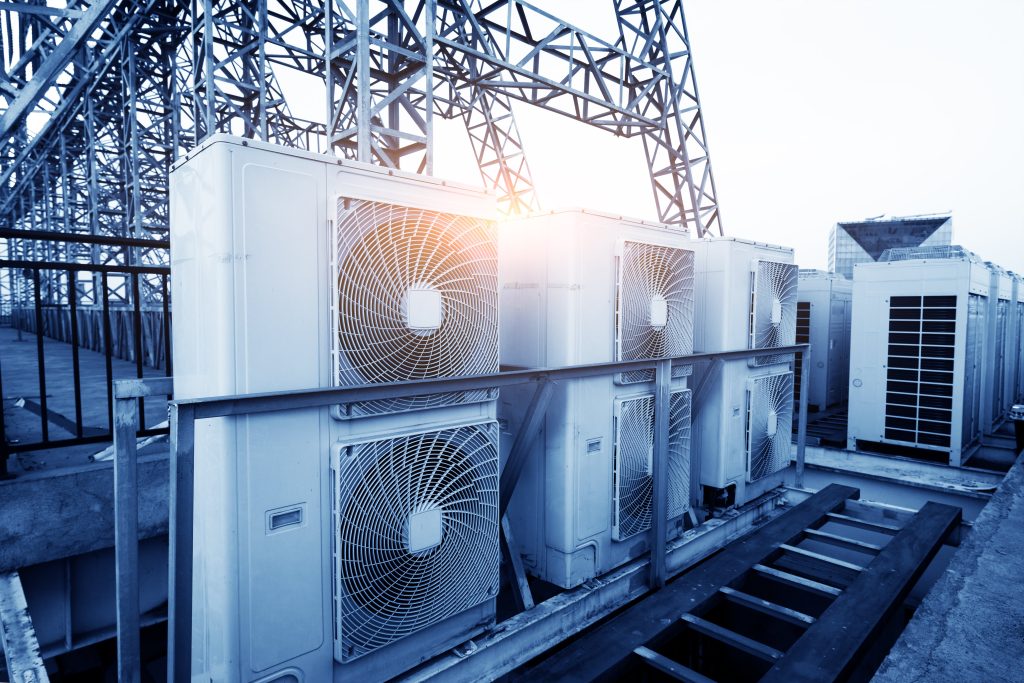
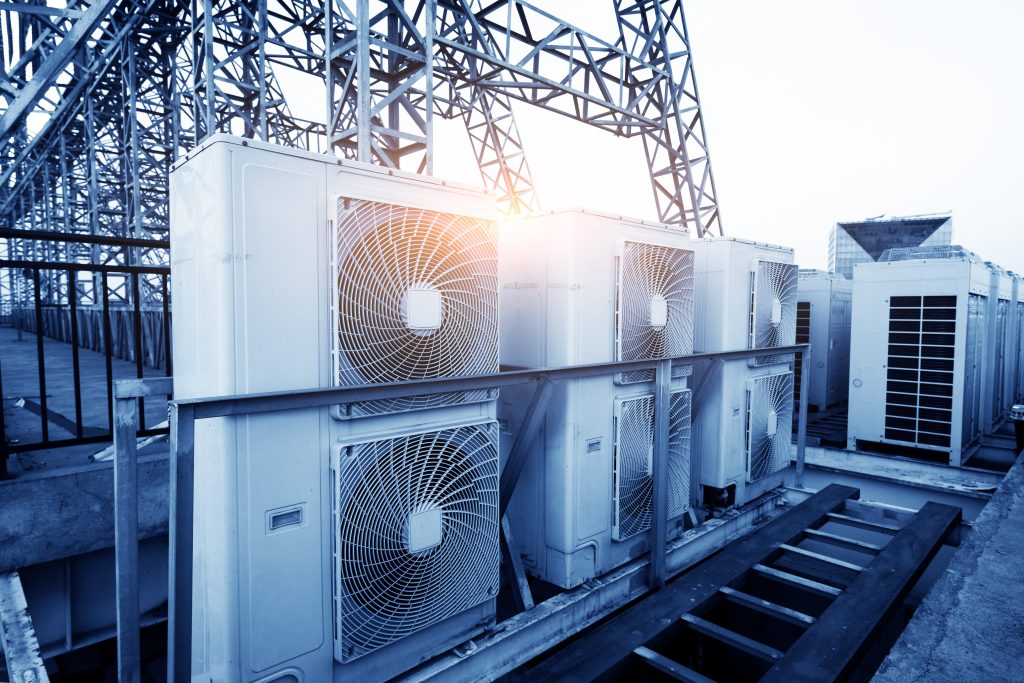
Choosing the right HVAC system for your home can feel overwhelming, especially with so many options on the market.
You might be asking yourself questions like, “What system will keep my home comfortable without increasing my energy bills?” or “How do I know what’s best for my space and budget?”
With over a decade in the HVAC industry, I’ve helped hundreds of homeowners find systems personalized to their unique needs.
In this guide, I will walk you through the key factors to consider, so you can confidently make a decision that works for your home, family, and wallet.
What Is an HVAC System?
Before I get into the details, I’ll first break down what an HVAC system does. HVAC stands for heating, ventilation, and air conditioning. These systems regulate your home’s temperature, improve air quality, and ensure proper airflow.
The most common types of HVAC systems include:
- Central Air Systems: A traditional choice for whole-home heating and cooling, using ducts to distribute air.
- Mini Split Systems: Ideal for zoning specific areas of your home, offering ductless and ducted options.
- Heat Pumps: Provide both heating and cooling by transferring heat between indoor and outdoor spaces.
- Furnaces: Heat-only systems that rely on gas or electricity.
- Boilers: Use water or steam to provide heat, often through radiators.
Now, let’s explore how to choose the right one for your home.
1. Assess Your Home’s Needs
As someone who’s worked with homeowners for years, I can tell you that the first step in choosing the right system for your home is assessing your needs. Every home is different, so it’s important to take a good look at a few key things- like your home’s size, layout, and climate. Let’s break it down:
- Square Footage: If you have a larger home, you might need a central air system to keep things cool (or warm). But for smaller homes or specific rooms, a mini split system might be a perfect fit. They’re great at targeting certain areas without wasting energy.
- Climate: Where you live really matters. If you’re in an area with super cold winters or scorching summers, you’ll want a system that can handle those extreme temperatures. A mini split system is pretty adaptable, but make sure you pick one that matches your climate.
- Zoning: One of the best things about mini splits is that they let you control the temperature in different rooms- so you can create your own “zones” of comfort. If you want to keep your bedroom cooler than the living room, a mini split system lets you do that easily.
Trust me, taking the time to figure out your home’s needs first will make all the difference in picking the right system for you. And once you’ve got those basics down, you’ll be in a great spot to choose the system that works best!
2. Understand Your Budget
When it comes to choosing an HVAC system, understanding your budget is key. These systems can be a big investment, so you want to make sure you’re balancing those upfront costs with long-term savings. Here’s what to consider:
- Initial Cost: Some systems, like central air or boilers, can come with higher upfront costs because of installation and the equipment itself. But don’t let that scare you away- sometimes the extra cost is worth it in the long run.
- Energy Efficiency: This is where mini splits really shine. Look for systems with high SEER (Seasonal Energy Efficiency Ratio) or HSPF (Heating Seasonal Performance Factor) ratings. These numbers tell you how energy-efficient the system is. The higher the rating, the less energy it uses, which means lower bills for you over time.
- Maintenance Costs: Mini splits usually require less maintenance than ducted systems, which can save you money in the long run. Ducted systems often need cleaning and servicing more frequently, while mini splits are pretty low-maintenance.
Pro Tip: Don’t forget about rebates or incentives for energy-efficient systems! A little research into available tax credits or local utility rebates could save you hundreds, even thousands, of dollars on your new system. Trust me, that extra effort can really pay off!
3. Consider Energy Efficiency
Choosing an energy-efficient system doesn’t just save money- it’s better for the environment too. Here are some options to consider:
- Mini Splits: Known for their efficiency, especially ductless systems that minimize energy loss.
- Heat Pumps: Highly efficient for both heating and cooling, making them a popular eco-friendly option.
- Energy Star Certification: Always look for this label to ensure the system meets strict efficiency guidelines.
4. Think About Air Quality
If allergies, asthma, or other respiratory concerns are an issue in your home, prioritize air quality.
- Filtration: Look for systems with high-quality filters or add-ons like HEPA filters.
- Ventilation: Proper airflow is critical. Mini splits and heat pumps can improve air circulation without spreading allergens like traditional ducts sometimes do.
- Dehumidification: Some HVAC systems can help control humidity levels, especially in damp climates.
5. Evaluate System Types
Here’s a quick comparison of popular HVAC options to help you decide:
| System Type | Best For | Pros | Cons |
| Central Air | Whole-home heating/cooling | Even temperature distribution, familiar design | Ducts can lose energy, higher maintenance |
| Mini Split | Zoning, smaller spaces | Energy-efficient, flexible, no ductwork needed | Higher upfront cost |
| Heat Pump | Moderate climates | Dual heating/cooling, efficient | May struggle in extreme cold |
| Furnace | Cold climates | Strong heating power | Heating only, no cooling |
| Boiler | Older homes, radiant heat enthusiasts | Quiet, consistent warmth | Higher upfront cost, heating only |
6. Consider Installation and Maintenance
The installation process and maintenance requirements can make a big difference in your experience with an HVAC system.
Installation
- Central air systems and boilers require extensive installation, which can add to the cost and timeline.
- Mini splits are quicker to install and less invasive.
Maintenance
- Schedule regular service appointments to keep your system running efficiently.
- For ducted systems, clean the ducts every few years to prevent dust buildup.
- Mini splits and heat pumps require filter cleaning every few months for optimal performance.
7. Plan for Longevity and Durability
Investing in a high-quality system upfront can save you money on repairs and replacements in the long run. Look for systems with:
- Warranties: Choose manufacturers with generous warranty periods for added peace of mind.
- Durable Components: Materials like stainless steel and anti-corrosion coatings extend the life of your system.
- Reputation: Work with reputable brands and installers to ensure you’re getting a system that lasts.
8. Talk to a Professional
While online research is a great start, consulting an HVAC expert is the best way to make sure your chosen system fits your home perfectly. Professionals can:
- Perform a load calculation to determine the exact capacity you need.
- Recommend specific brands or models based on your goals.
- Provide a free estimate for installation and maintenance.
Final Thoughts
Choosing the right HVAC system for your home doesn’t have to be complicated. By assessing your needs, budget, and energy goals, you can find a system that keeps your home comfortable year-round. Whether it’s a mini split for zoning flexibility, a heat pump for eco-friendly heating and cooling, or a central air system for whole-home coverage, there’s an option for every home and lifestyle. If you’re ready to take the next step, reach out to a trusted HVAC contractor for expert advice and installation. It’s an investment in your home’s comfort, energy efficiency, and value that you’ll appreciate for years to come.

