
With over 11 years in the HVAC industry, I’ve seen firsthand how recognizing the early warning signs of central air and heat pump issues can save homeowners from costly repairs. Whether you rely on a heat pump or a traditional furnace for your heating system, understanding these signs ensures better temperature control, improved indoor air quality, and energy savings. Let’s break down what to watch for.
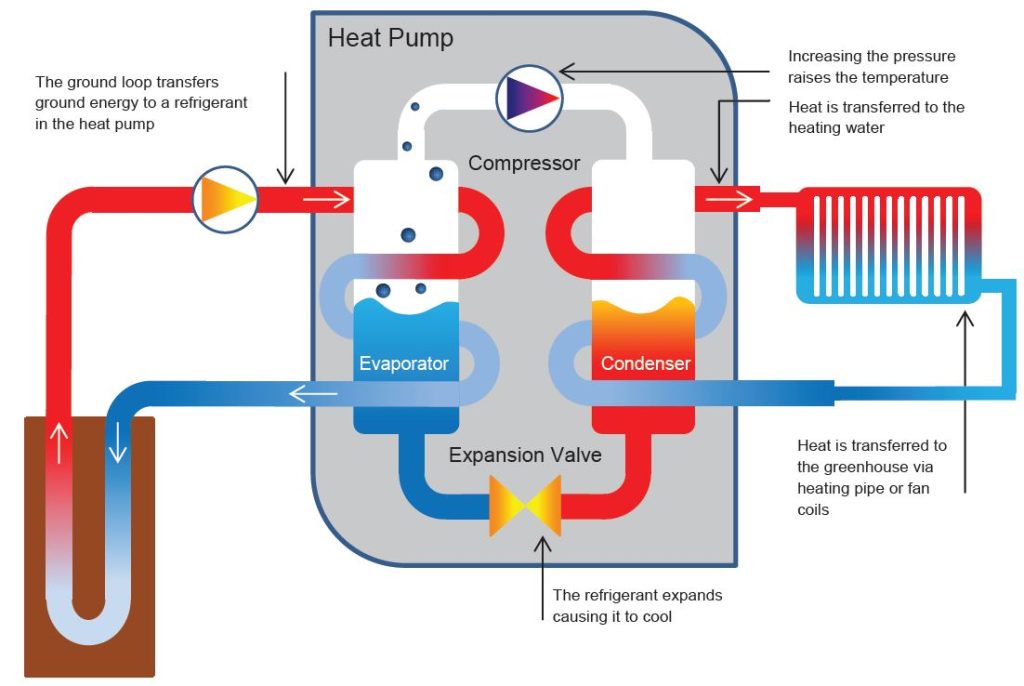
Understanding the Basics of Central Air and Heat Pumps
Central air systems and heat pumps are critical components of any HVAC system, but they operate differently:
- Central Air Systems: Designed to cool your home using a compressor, air handler, and duct system. They regulate humidity while maintaining consistent airflow throughout your room or attic.
- Heat Pumps: A versatile solution for both heating and air conditioning, transferring heat to or from your home. They’re energy-efficient, especially when paired with Energy Star-certified components like a smart thermostat.
The 5 Warning Signs You Can’t Ignore
1. Inconsistent Temperature Control
If some rooms feel like saunas while others resemble freezers, your system might have:
- Leaking ducts, which waste energy and compromise efficiency.
- A failing thermostat, impacting the system’s ability to regulate temperature.
- Low refrigerant levels, which can reduce the system’s seasonal energy efficiency ratio (SEER) and overwork the compressor.
This problem often impacts basements, ceilings, or poorly insulated areas, especially during extreme climate conditions.
2. Strange Noises or Odors
Unusual noise or smells often indicate underlying issues:
- Grinding or squealing: Commonly linked to air handler or pump malfunctions.
- Burning odors: A warning of electrical wiring problems in your boiler, furnace, or baseboard heating system.
- Musty smells: Often caused by mold in ducts, evaporator coils, or damp walls, affecting indoor air quality.
These signs can escalate quickly, requiring immediate HVAC services to prevent further damage.
3. Spiking Energy Bills
A sudden increase in your utility bills might mean your system is working harder than necessary. Common causes include:
- Clogged air filters: Replace them every 1–3 months to ensure proper airflow.
- Dirty evaporator or condenser coils: These reduce the efficiency of your heat pump or air conditioner heat mode.
- Low refrigerant levels: Even minor leaks can increase operating costs and reduce annual fuel utilization efficiency (AFUE).
Investing in Energy Star-certified systems or checking for available rebates can help offset costs while improving efficiency.
4. Weak Airflow
If your vents are producing weak airflow, it could be caused by:
- Blocked ducts: Debris, dust, or pipe blockages can restrict airflow to specific areas like the attic or basement.
- Frozen evaporator coils: Often caused by refrigerant issues or clogged air filters.
- Failing air handlers or blowers, which are essential for proper ventilation.
Weak airflow also impacts humidity control, leaving certain rooms damp and uncomfortable.
5. Frequent Cycling or Non-Stop Operation
If your system cycles on and off frequently or runs continuously, there could be issues with:
- An improperly sized ton rating for your home, causing the system to work inefficiently.
- Malfunctioning smart thermostats that mismanage the operation.
- Refrigerant imbalances that overwork the compressor and heat exchanger.
These issues not only waste energy but can shorten the lifespan of critical components like the condenser or pump.
Preventive Measures to Protect Your System
Regular maintenance can save you from costly repairs and ensure optimal HVAC performance. Key tasks include:
- Replacing air filters every 1–3 months to improve airflow and reduce strain on the system.
- Cleaning the roof-mounted condenser and evaporator coils to maintain efficiency.
- Scheduling annual tune-ups for your heating system, including checks on propane, copper wiring, and boiler components.
What Happens If You Delay Repairs?
I’ve seen small problems turn into expensive nightmares. A $200 repair can quickly become a $5,000 replacement if ignored. Don’t wait until your system completely fails – especially during peak seasons when service calls can take weeks. Ignoring these warning signs can turn a small issue into a significant expense:
- A dirty air filter can lead to overheating, damaging the furnace or air conditioner.
- Refrigerant leaks can escalate, requiring costly replacements of the condenser or heat exchanger.
- Poor maintenance can void your system’s warranty, leaving you to cover the full price of repairs or replacements.
FAQs About Central Air and Heat Pumps
How Do I Know If I Have a Heat Pump or Central Air?
Check the thermostat settings. If it has “heat” and “cool” modes, you likely have a heat pump.
What Is the Role of an Air Handler?
An air handler circulates conditioned air through your duct system, ensuring even temperature control.
What’s the Benefit of a Smart Thermostat?
A smart thermostat optimizes system performance, lowering utility costs and increasing efficiency.
How Do I Maximize My System’s Efficiency?
Regularly clean the ceiling vents, maintain proper refrigerant levels, and ensure all electrical wiring is in good condition.
Ready for Professional Help?
Your HVAC system, whether powered by a heat pump, furnace, or air conditioner, plays a critical role in your home’s comfort and energy efficiency. Addressing issues like poor airflow, low efficiency, or strange noise early can save you time and money.
Don’t let small problems with your heating system, ducts, or thermostat turn into expensive emergencies. Schedule professional HVAC services today to protect your system and enjoy a comfortable, climate-controlled home.
As someone who’s worked with mini-splits and VRF systems for 7 years, I can connect you with trusted professionals who’ll diagnose and fix your system properly. Fill out our contact form, and I’ll personally match you with a qualified contractor in your area.

