
Winter is here, and your heat pump is your best friend for staying cozy without breaking the bank. But to keep it running efficiently, heat pump maintenance is a must. Just like any good friendship, your heat pump needs some TLC to prevent breakdowns and ensure it works smoothly all season long.
Regular heat pump maintenance is key to preventing breakdowns and keeping your home warm all season long. Let’s break down the do’s and don’ts of maintaining your heating system to ensure it runs smoothly and keeps those energy bills in check.
Why Does Heat Pump Maintenance Matter?
Think of your heat pump like your car—skip the oil changes, and you’re asking for trouble. Regular maintenance helps your system:
- Run more efficiently, saving you money on electricity and energy bills.
- Last longer, protecting your investment and reducing wear and tear.
- Maintain good indoor air quality, keeping your home consistently comfortable.
- Avoid costly emergency repairs caused by issues like leaks, mold, or corrosion.
The Do’s: Your Heat Pump Maintenance Checklist
1. Keep Those Filters Clean
Dirty air filters are like trying to breathe through a stuffy nose—not fun and not efficient. Dust and dirt buildup can restrict airflow and cause your compressor and heat exchanger to work harder, reducing efficiency. Check your filters monthly and replace them every 2–3 months. A clean air filter can lower your energy use by up to 15%!
2. Clear the Outdoor Unit
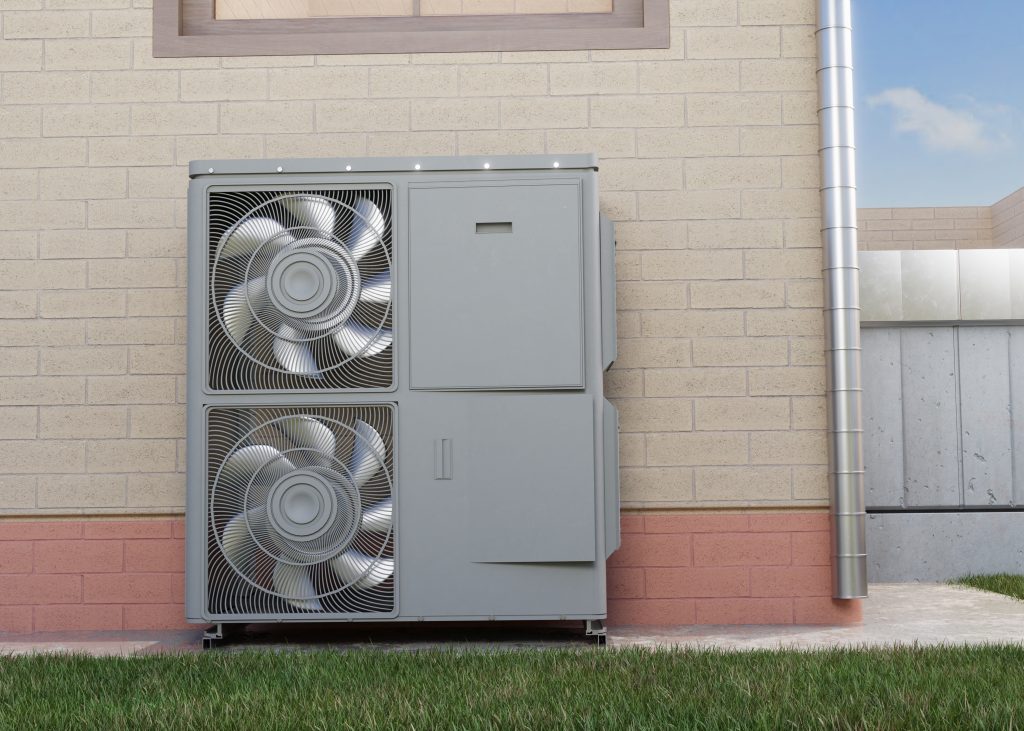
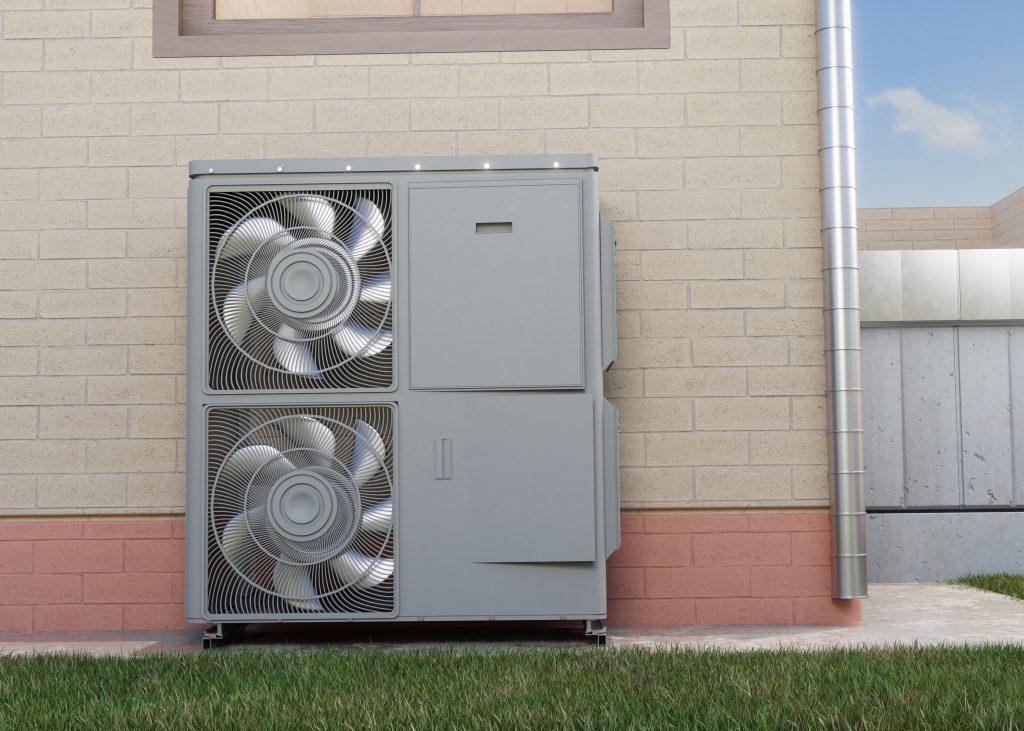
Your outdoor unit, including the condenser, needs space to breathe. Keep it clear of:
- Snow buildup (gently brush it off to avoid damaging the unit).
- Fallen leaves and debris.
- Ice (let it melt naturally—no chipping or vacuum cleaner here!).
- Grass clippings and dirt.
Ensure the area within 2 feet of the unit is free from obstructions to maintain proper airflow and prevent drainage issues.
3. Get Professional Check-ups
Schedule a yearly heat pump maintenance with qualified HVAC contractors. They’ll check the refrigerant levels, electrical connections, duct system, and heat exchanger. This proactive maintenance ensures your system stays efficient and prevents costly breakdowns.
4. Smart Thermostat Settings
Set your programmable thermostat between 68–70°F during the day. Every degree higher can increase your energy use by 3%. At night, drop it by 5–8°F for better efficiency.
The Don’ts: What to Avoid in Heat Pump Maintenance
1. Don’t Cover the Outdoor Unit
- Your heat pump or air source heat pump needs to breathe, even in winter. Covering it can:
- Trap humidity, leading to mold or corrosion.
- Block necessary airflow for heat transfer.
- Create a cozy space for critters to nest.
2. Skip the Thermostat Circus
- Avoid:
- Cranking the thermostat temperature way up (it won’t heat faster).
- Constantly adjusting settings, which stresses your system.
- Using emergency heat mode unless there’s a real emergency, as it bypasses the reversing valve and increases energy consumption.
3. Don’t Ignore Warning Signs
- Pay attention if your system:
- Makes unusual noises, which could indicate compressor or valve issues.
- Blows cold air instead of heating.
- Shows ice buildup that won’t melt, potentially blocking heat transfer.
- Causes unexpected spikes in energy bills due to inefficiency.
Quick Tips for DIY Heat Pump Maintenance
| Task | Frequency | Notes |
| Filter check | Monthly | Replace every 2–3 months |
| Outdoor unit clearing | Weekly in winter | Use a brush for snow and debris |
| Coil inspection | Quarterly | Check for dirt buildup |
| Thermostat check | Seasonally | Replace batteries yearly for longevity |
When to Call the Pros
While DIY maintenance is great, some things require expert hands. Contact a professional HVAC contractor if you notice:
- Strange noises or smells.
- Significant performance changes in heating or ventilation.
- Ice that won’t melt, which may signal an issue with the evaporator, reversing valve, or refrigerant levels.
- Electrical issues or problems with the duct system.
Wrap-Up
Taking care of your heat pump doesn’t have to be complicated. With these simple do’s and don’ts, you can keep your system running efficiently all winter.
Need help with heat pump maintenance, heat pump cleaning, or troubleshooting? Our trusted HVAC professionals are ready to assist with everything from geothermal system repair to thermo pump maintenance. Whether it’s a Daikin air handler or your standard boiler, we’re here to ensure your system operates at peak performance.
Want to learn more about heat pump installation, geothermal HVAC maintenance, or maintenance of geothermal systems? Contact us today for a free consultation and improve the efficiency and longevity of your heating system.

