
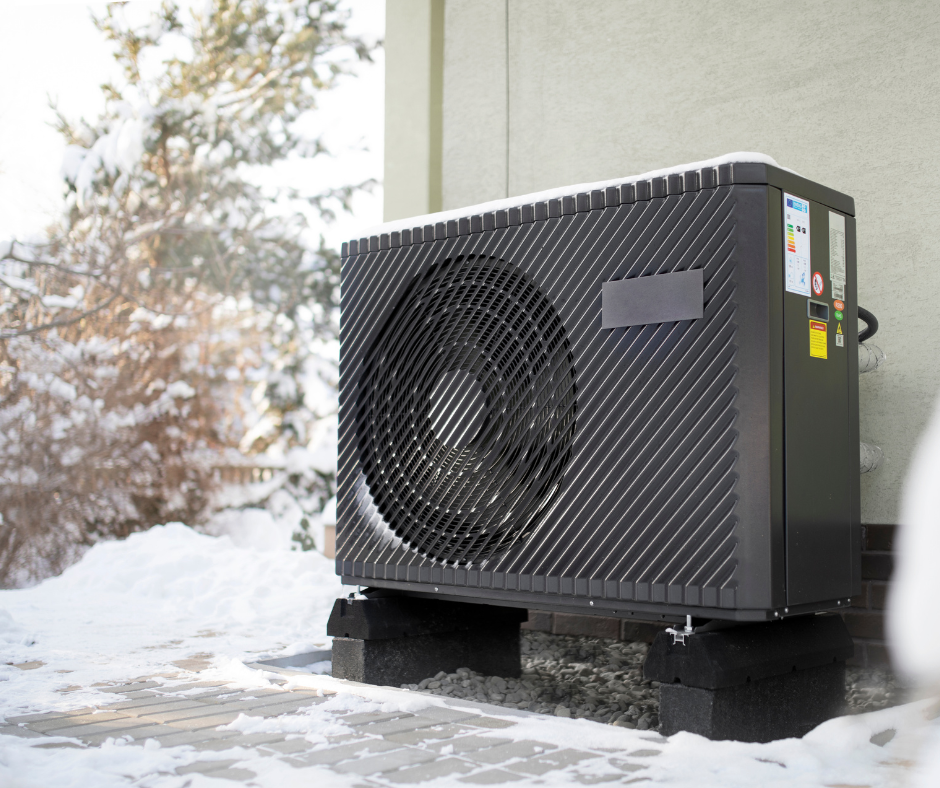
Heat pumps for cold weather homes are becoming the go-to choice from Plano to Arlington, offering an efficient way to handle both our scorching summers and those surprise winter chills. While DFW might be famous for its summer heat, we all know how those winter temperatures can plummet unexpectedly. Thanks to recent advances in technology, these smart systems keep you comfortable year-round while helping you save on energy bills.
Understanding how mini split heat pumps work for cold weather can help you make a smart choice for your heating needs.
What is a Mini Split Heat Pump for Cold Weather?
A mini split heat pump is like a super-efficient two-way air conditioner. Even in freezing temperatures, it can pull heat from the outside air and move it into your home. This might sound impossible – after all, how can you get heat from cold air? But today’s advanced heat pumps can extract warmth from air as cold as -13°F (-25°C).
Unlike traditional furnaces that create heat by burning fuel, mini splits move heat from one place to another. Think of them as working like a refrigerator, but in reverse. They’re much more efficient than older heating systems because moving heat takes less energy than creating it.
These systems have two main parts: an outdoor unit that gathers heat from the air and an indoor unit that distributes warm air throughout your space. The best part? They work without the need for bulky ductwork.
Benefits of a Mini Split Heat Pump for Cold Weather Homes
Energy Savings
Modern mini splits use up to 60% less energy than traditional electric heating systems. This impressive efficiency comes from their variable-speed compressors, which work like a car’s cruise control – adjusting their speed to maintain the perfect temperature instead of constantly turning on and off. Their high Seasonal Energy Efficiency Ratio (SEER) and coefficient of performance (COP) ratings make them a smart investment for energy-conscious homeowners.
Improved Comfort
One of the biggest complaints about traditional heating systems is uneven temperatures – some rooms are too hot while others stay chilly. Mini splits solve this problem with their zoning capabilities. Each indoor unit can be controlled separately, so you can keep your bedroom cooler for sleeping while maintaining a toasty living room for evening relaxation. The advanced thermostat options improve indoor air quality and maintain consistent comfort levels.
Easy Installation
Installing a traditional heating system with ductwork can take weeks and require major construction. Mini splits, however, only need a small hole in the wall to connect the indoor and outdoor units. This makes them perfect for:
- Older homes without existing ductwork
- Home additions or renovations
- Buildings where installing ducts would be difficult or impossible
Lower Heating Costs
While the initial cost of a mini split system might be higher than a basic furnace, the long-term savings are significant. Many homeowners report saving 30-40% on their heating bills after switching to a mini split system. For a home that typically spends $2,000 on winter heating, that could mean savings of $600-800 per year. Additionally, these systems often qualify for tax credits and rebates, further reducing upfront costs.
Environmentally Friendly
Mini splits help reduce your carbon footprint in two ways:
- They use less energy overall than traditional heating systems.
- They don’t burn fossil fuels directly like gas or oil furnaces.
This makes them an excellent choice for environmentally conscious homeowners and those looking to meet green building standards.
Year-Round Versatility
Why buy separate heating and cooling systems when one device can do both? Mini splits keep you comfortable year-round by:
- Providing efficient heating in winter
- Delivering cool air in summer
- Dehumidifying your home in any season
How Mini Split Heat Pumps Perform in Extreme Cold Weather
Today’s cold climate mini splits are engineering marvels. They use advanced inverter technology to maintain heating performance even in sub-zero temperatures. Unlike older heat pumps that struggled in cold weather, modern systems can provide consistent heat down to -13°F or lower.
For example, homeowners in places like Maine and Minnesota report excellent performance from their mini splits even during the harshest winter storms. One family in Vermont replaced their oil furnace with a mini split system and maintained comfortable indoor temperatures during a week when outdoor temperatures never rose above 0°F.
The secret to this cold-weather success lies in the defrost cycle. When frost builds up on the outdoor unit, the system briefly reverses itself to melt the ice, ensuring consistent performance all winter long.
Choosing the Best Mini Split Heat Pump for Cold Weather
Top Brands and Models
Several manufacturers have earned reputations for excellence in cold-weather performance:
- Mitsubishi’s Hyper-Heat systems
- Fujitsu’s Halcyon XLTH series
- Daikin’s Aurora series
These brands consistently receive high marks for reliability and efficiency in extreme conditions.
Features to Look For
When shopping for a cold-weather mini split, prioritize these features:
- High HSPF (Heating Seasonal Performance Factor) ratings of 10 or above
- Variable-speed compressors for maximum efficiency
- Built-in defrost systems for winter operation
- Low-temperature heating performance ratings
- Smart controls for optimal operation
Professional Installation
The best system in the world won’t perform well if it’s installed incorrectly. Always choose an ICPI-certified technician who:
- Has experience with cold-weather installations
- Understands proper sizing for your climate
- Follows manufacturer specifications exactly
- Provides ongoing maintenance support
FAQs About Mini Split Heat Pump for Cold Weather
Are mini splits good for heating in cold climates?
Yes! Modern mini splits are specifically designed for excellent cold-weather performance. Many models can heat effectively even when temperatures drop well below zero.
What are some advantages of the mini split heat pump?
The main benefits include significant energy savings, room-by-room temperature control, simple installation, and lower operating costs compared to traditional heating systems.
What are the benefits of a cold climate heat pump?
Cold climate heat pumps offer consistent heating performance in extreme temperatures, reduced energy bills, and environmental benefits without sacrificing comfort.
Who makes the best mini split for cold weather?
Mitsubishi, Fujitsu, and Daikin are industry leaders in cold-weather heat pump technology. Each offers models specifically designed for extreme cold conditions.
Why Choose a Mini Split Heat Pump for Cold Weather Home?
A mini split heat pump offers the perfect combination of comfort, efficiency, and environmental responsibility for cold-weather homes. With their advanced technology, these systems can keep your home cozy even during the coldest months while significantly reducing your energy bills.
The benefits are clear:
- Lower energy costs
- Better comfort control
- Easy installation
- Environmental friendliness
- Year-round usefulness
Contact us today for expert installation of a mini split heat pump for cold weather home. Our certified technicians will help you choose the perfect system to keep your home comfortable all winter long while saving money on heating costs. Schedule your consultation now to start enjoying the benefits of modern heating technology!

