
For many first-time homebuyers in the Dallas-Fort Worth area, choosing the right heating and cooling system can feel overwhelming. If you’re exploring your options, you’ve likely encountered mini split systems – but what exactly are they, and could they be the right choice for your new home? Let’s break down everything you need to know about these innovative climate control solutions.

What Is a Mini Split System?
Mini split systems represent a modern approach to home comfort, offering both heating and cooling without the need for traditional ductwork. Unlike conventional HVAC systems that send conditioned air through a complex network of ducts, mini splits deliver comfort directly to individual rooms or zones in your home.
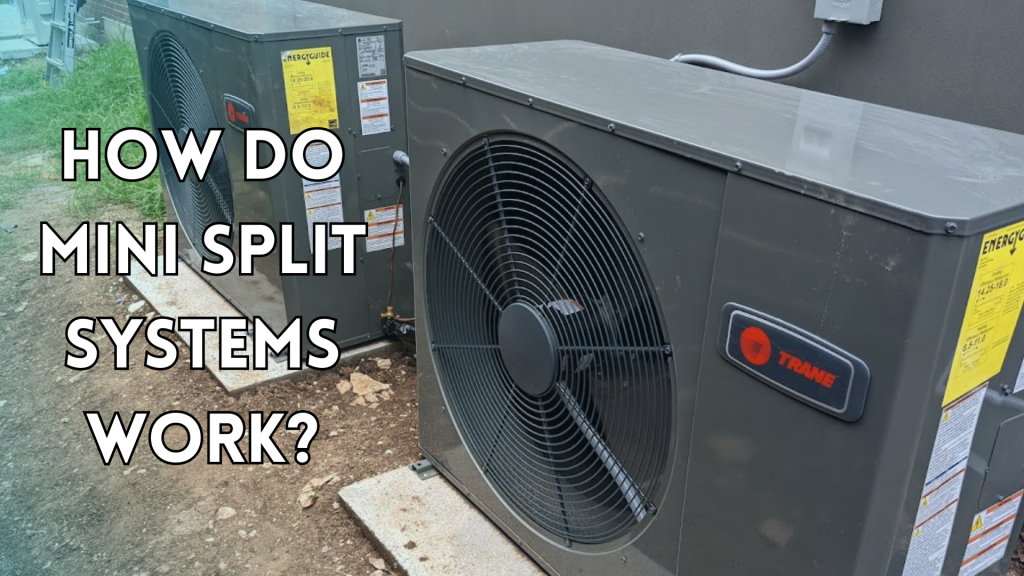
- Key Components: Every mini split system consists of two main parts: an outdoor unit (the condenser) and one or more indoor units (air handlers). These components work together through a small conduit that houses the refrigerant lines, power cable, and condensate drain.
- Smart Technology: Modern mini splits utilize advanced inverter technology, which continuously adjusts the system’s output to maintain your desired temperature. This is vastly different from traditional systems that simply turn on and off, leading to temperature fluctuations and higher energy consumption.
How Mini Splits Actually Work
The science behind mini splits is fascinating yet straightforward. These systems operate on a heat pump principle, moving heat rather than generating it. During summer months, they extract heat from your indoor air and expel it outside. In winter, they reverse this process, capturing heat from outdoor air (yes, even in cold weather!) and bringing it inside.
The Cooling Process:
- Warm indoor air passes over the indoor unit’s evaporator coil
- Refrigerant within the coil absorbs heat from the air
- The now-cooled air is distributed back into your room
- Heat absorbed by the refrigerant travels to the outdoor unit where it’s released into the environment
The Heating Process:
- The outdoor unit extracts heat from ambient air
- Compressed refrigerant carries this heat to the indoor unit
- The indoor unit releases the heat into your living space
- The cycle continues to maintain your desired temperature
Energy Efficiency and Cost Savings
According to the U.S. Department of Energy, mini splits can help homeowners save up to 30% on their heating and cooling costs compared to traditional systems. Here’s why:
- Zoned Comfort: By heating or cooling only the rooms you’re using, you avoid wasting energy on unoccupied spaces
- No Duct Losses: The DOE estimates that traditional ducted systems lose up to 30% of energy through leaks and poor insulation
- Advanced Technology: Inverter-driven compressors operate more efficiently than conventional on/off systems
Installation Process: What to Expect
Many first-time homeowners worry about the installation process, but it’s typically straightforward and minimally invasive:
- Professional assessment of your home’s layout and needs
- Selection of optimal locations for indoor and outdoor units
- Installation of mounting brackets and small wall penetrations
- Connection of refrigerant lines and electrical components
- System testing and optimization
The entire process usually takes 1-2 days, depending on the number of indoor units being installed.
Addressing Common Concerns
Aesthetic Integration: Modern mini split systems feature sleek, contemporary designs that can complement various home styles. Indoor units can be mounted high on walls, recessed into ceilings, or even installed as floor-standing units to suit your preferences.
Winter Performance: Even in Dallas-Fort Worth’s occasional cold snaps, mini splits maintain their efficiency. Today’s systems can heat effectively even when outdoor temperatures drop below freezing.
Long-term Value: While the initial investment might be higher than traditional systems, mini splits often pay for themselves through:
- Reduced monthly energy bills
- Lower maintenance costs
- Increased home value
- Potential tax incentives and rebates
Making Your Decision
When considering a mini split system for your new home, evaluate these factors:
- Home Layout: Mini splits work exceptionally well in open floor plans and homes without existing ductwork
- Climate Control Needs: Consider whether you want whole-home or zone-specific conditioning
- Budget: Factor in both initial costs and long-term savings
- Environmental Impact: If reducing your carbon footprint is important, mini splits offer significant advantages
For first-time homebuyers in the Dallas-Fort Worth area, mini split systems represent a smart investment in home comfort and energy efficiency. While the technology might seem new, these systems have been proven reliable through decades of use worldwide. They offer precise temperature control, energy savings, and environmental benefits that make them worth considering for your new home.
Remember, the key to maximizing your mini split investment lies in proper sizing and professional installation. Working with experienced local professionals ensures your system will deliver optimal performance and comfort for years to come.

