
How do you maintain your heating and air conditioning system? Well, let me tell you, I remember one client in particular who had an old air conditioning unit that kept failing during a heatwave. They were frustrated and ready to replace the whole system.
After taking a closer look, I found that a simple tune-up and cleaning could get it running smoothly again. It was a small fix, but it saved them thousands of dollars in the long run.
The good news is that with regular maintenance, your heating and cooling system can run more efficiently, last longer, and help you save money.
I’ll walk you through how to take care of your system, step by step. It’s easier than you might think, and a little effort now can prevent bigger issues and costly repairs down the road.
Why Maintenance Matters
Think of your HVAC system like your car. You wouldn’t skip oil changes and expect it to run forever, right? The same goes for your heating and cooling system. Regular maintenance can:
- Lower energy bills: A well-maintained system uses less energy to do the same job.
- Prevent costly repairs: Catching small issues early can save you from expensive breakdowns.
- Extend the life of your system: Maintenance keeps things running smoothly, so you won’t need a replacement as soon.
- Improve air quality: Clean filters and ducts mean cleaner air for you and your family.
Simple Steps You Can Take
Let’s start with the basics you can do yourself.
1. Replace Your Air Filters Regularly
Dirty air filters are like a clogged artery for your HVAC system. They restrict airflow, making your system work harder than it should. Here’s what you need to know:
- Check your filter every 1-3 months.
- If it’s dirty, replace it.
- Use the right size filter for your system.
Replacing a filter is cheap and takes only a few minutes, but it can make a huge difference in how efficiently your system runs.
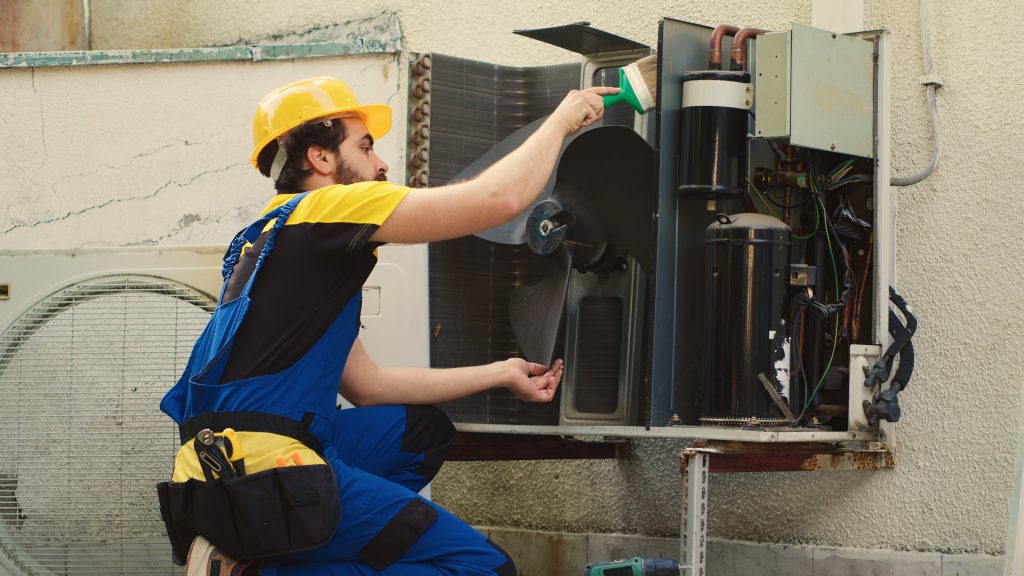
2. Keep Outdoor Units Clean
If you have an outdoor condenser or heat pump, it’s exposed to the elements. Dirt, leaves, and debris can clog it up and reduce efficiency.
- Turn off the power before cleaning.
- Use a garden hose to gently spray the fins clean.
- Trim any plants or shrubs at least 2 feet away from the unit to allow proper airflow.
3. Check Your Thermostat
Your thermostat is the brain of your HVAC system. If it’s not working correctly, your system won’t either.
- Make sure your thermostat is set to the right temperature.
- Replace batteries regularly.
- Consider upgrading to a programmable or smart thermostat for better control and energy savings.
4. Seal Air Leaks
Air leaks in your ducts or home can waste a lot of energy. If you’re comfortable with DIY projects:
- Use duct tape or mastic sealant to patch up any leaks in exposed ductwork.
- Seal gaps around windows and doors with weatherstripping or caulk.
If you’re not sure where the leaks are, professional energy audits can pinpoint trouble spots.
5. Clean Your Vents and Registers
Blocked or dirty vents make your system work harder and reduce airflow.
- Vacuum your vents regularly.
- Keep furniture or rugs from covering vents.
6. Schedule a Tune-Up
While there’s a lot you can do yourself, some tasks are better left to the pros. An annual tune-up can:
- Check refrigerant levels.
- Test for leaks.
- Inspect and clean the blower motor.
- Ensure your system is running efficiently.
A professional will spot problems you might miss and help you avoid costly repairs.
Signs Your System Needs Immediate Attention
Even with regular maintenance, problems can still pop up. Keep an eye out for these warning signs:
- Strange noises: Banging, rattling, or squealing could mean loose or broken parts.
- Uneven temperatures: Some rooms are too hot while others are too cold.
- High energy bills: A sudden spike could mean your system is struggling.
- Short cycling: Your system turns on and off frequently without completing a full cycle.
If you notice any of these, call a professional right away.
Why Mini Splits Are a Great Option
Now, let’s talk about mini splits. They’ve become the star of my business because they solve so many of the pain points I’ve heard from homeowners over the years.
- Energy efficiency: Mini splits only heat or cool the rooms you’re using, which means no wasted energy.
- Easy installation: No ductwork is needed, making them perfect for older homes or additions.
- Quiet operation: You’ll barely notice they’re running.
- Custom comfort: You can set different temperatures for different rooms.
If you’re tired of dealing with an outdated HVAC system, a mini split might be the upgrade you need.
Need Help?
Maintaining your HVAC system doesn’t have to be overwhelming. If you’re not sure where to start or want help with a specific issue, let’s connect. Whether you need a tune-up, want to install a mini split, or just have questions, I’m here to guide you.
And if you’re considering a mini split system, I can connect you with trusted contractors who’ll get the job done right.
Conclusion
Taking care of your heating and air conditioning system is one of the best things you can do for your home. It saves you money, keeps your family comfortable, and ensures your system lasts for years. A little effort now can prevent big headaches later.
So, grab your vacuum, check those filters, and schedule that tune-up. And if you’re ready to explore mini splits or need expert advice, I’m just a call or click away. Let’s make your home as comfortable and efficient as it can be.

