
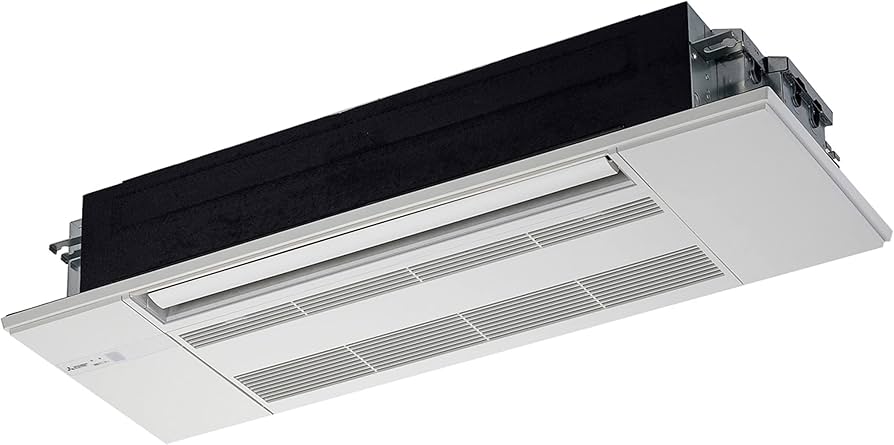
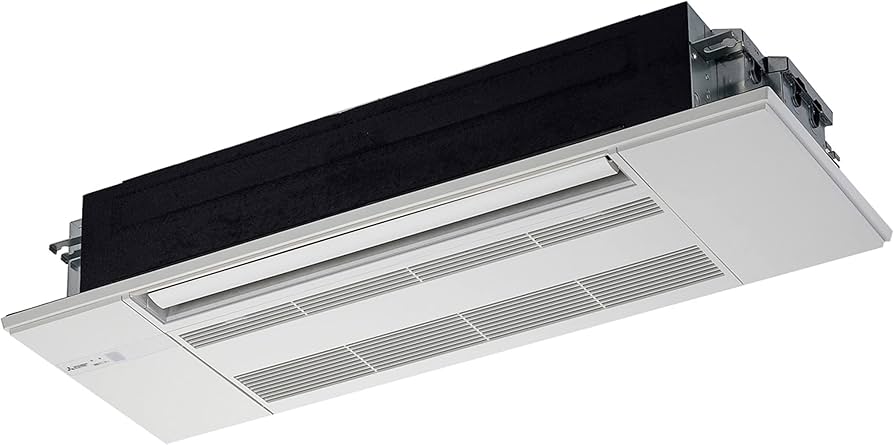
When it comes to heating and cooling your space efficiently, mini-split ceiling cassette and wall mounted mini split systems are a top choice. These two popular options offer distinct benefits. A ceiling cassette blends into the ceiling, providing even airflow and saving wall space, while a wall-mounted unit offers targeted temperature control and easier installation. Considering energy efficiency, air conditioning needs, and heating capacities, these systems adapt to various climates and designs.
This guide breaks down everything you need to know about which is better for your space to make the right investment for your HVAC project!
Understanding Mini-Split Systems
Mini-split systems are efficient heating and cooling solutions powered by advanced heat pump technology. These systems include two main parts: an indoor unit, such as a mini split ceiling cassette or wall-mounted mini split, and an outdoor unit (condenser). These are connected by a conduit housing refrigerant, electricity, and plumbing lines.
Mini-splits are praised for their energy efficiency and flexible design. With zoning capabilities, they provide personalized temperature control for each room, reducing electricity use and lowering your budget. These systems are also compatible with smart thermostats, improving automation and efficiency. Whether you’re cooling a bedroom, kitchen, or attic, mini-splits ensure heating and cooling capacities that meet your needs.
What Are Mini-Split Ceiling Cassettes?
A mini split ceiling cassette is an advanced air conditioning system that delivers effective heating and cooling while maintaining a sleek appearance. These units use a heat pump system to provide year-round comfort with impressive energy efficiency and indoor air quality. Perfect for rooms where wall-mounted mini splits don’t fit, these systems work seamlessly with your ceiling layout, offering even airflow and minimal noise.
Design and Installation of Mini-Split Ceiling Cassette
Installed directly within the ceiling, mini split ceiling cassette saves floor and wall space, making them ideal for areas like bedrooms, kitchens, or offices. They require adequate joist space and professional mini split installation to align ducts, refrigerant lines, and plumbing.
Mini Split Ceiling Cassette Indoor Styles
Ceiling cassette mini split units come in various styles to suit different spaces and requirements, whether you’re designing for a compact room, a large commercial kitchen, or a spacious office. From slim, one-way designs to robust four-way systems, there’s an option to match every layout and budget. Here’s a look at some of the most popular choices and their features.
1. EZ-FIT Ceiling Cassette Indoor Unit
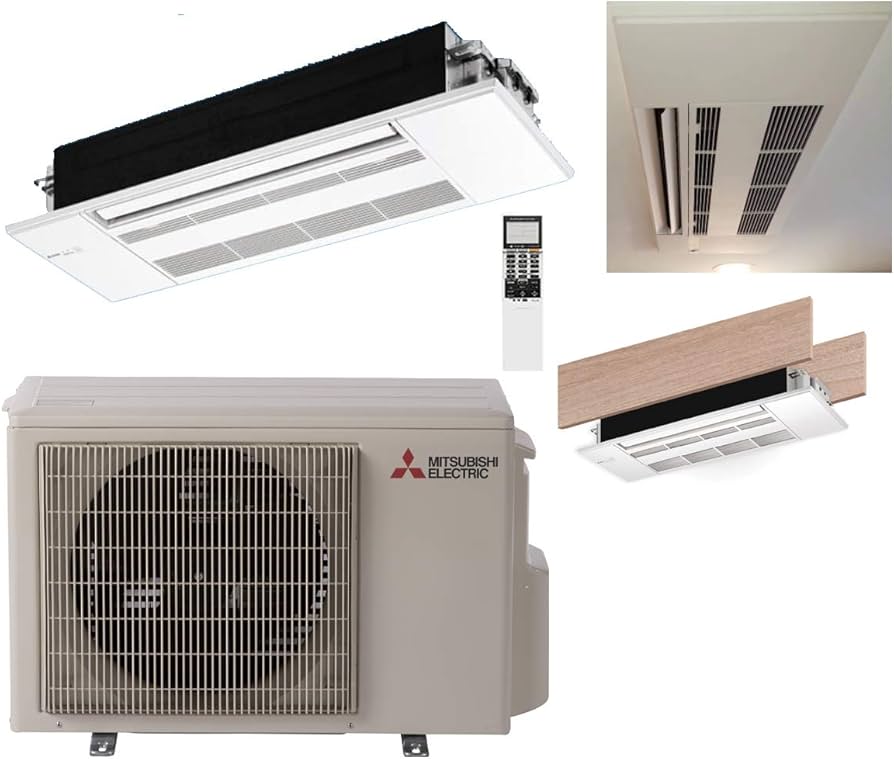
- Popular for its versatile fit.
- Fits between standard 16″ or 14″ ceiling joists.
- Offers high- and low-ceiling settings.
- Capacities: 6,000 to 18,000 BTU/H.
2. SLZ Four-Way Ceiling Cassette Unit
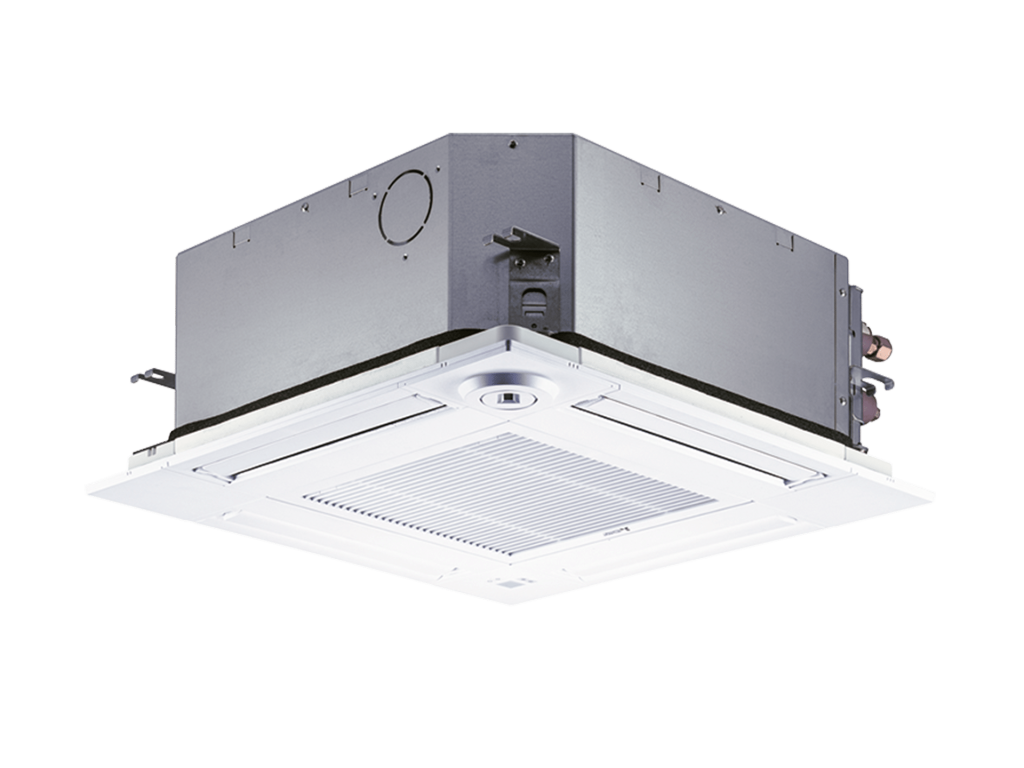
- Ideal for custom airflow needs.
- Fits 2′ x 2′ suspended ceiling grids.
- Features 72 unique airflow patterns.
- Capacities: 9,000 to 18,000 BTU/H.
3. Large Four-Way Ceiling Cassette PLA
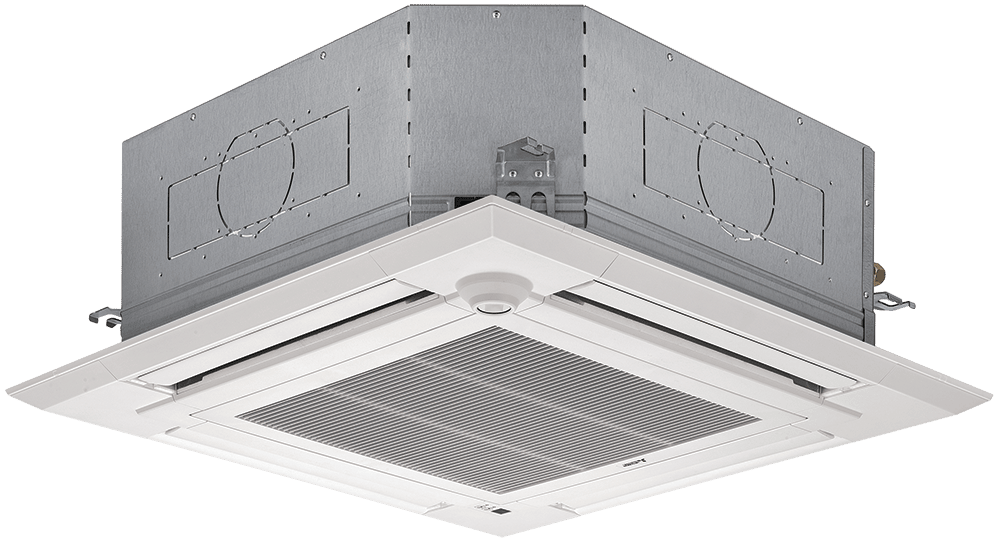
- Built for commercial-grade applications.
- Fits into 4′ x 4′ ceiling grids.
- Offers 72 airflow patterns for optimal comfort.
- Capacities: 12,000 to 42,000 BTU/H.
4. One-Way Ceiling Cassette PMFY
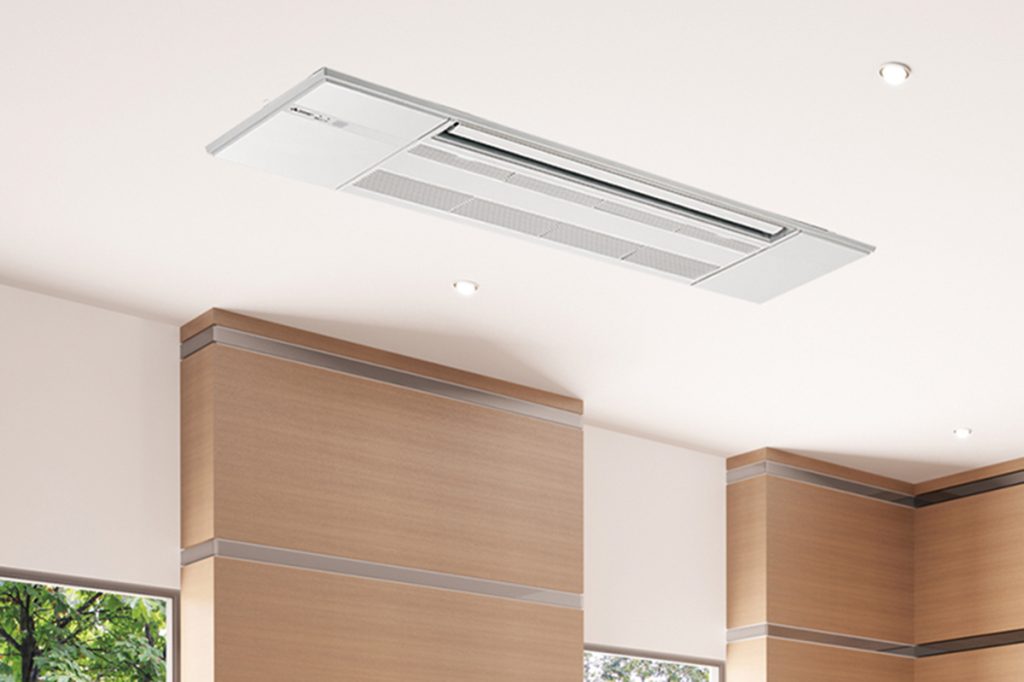
- Slim, flush-mounted design for tight spaces.
- Great for residential use.
- Capacities: 6,000 to 15,000 BTU/H.
5. Ceiling-Suspended PCA-PCFY
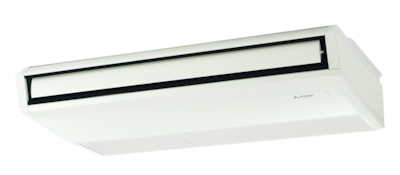
- Designed for large retail spaces and commercial kitchens.
- Suspended installation for areas without false ceilings.
- Capacities: 15,000 to 36,000 BTU/H.
Advantages of Mini-Split Ceiling Cassette
- Even Airflow: The design disperses air across the entire room, ensuring consistent temperature control.
- Space-Saving: Free up floor and wall areas for furniture or lighting.
Disadvantages of Mini-Split Ceiling Cassette
- Higher Costs: Installation can be pricier due to complex setups with air ducts, condensate pumps, and foam insulation.
- Maintenance Needs: Positioned in the ceiling, cleaning air filters or servicing the evaporator may require professional help.
Whether you’re designing a modern HVAC setup or upgrading your climate control system, a mini split ceiling cassette is a smart investment for efficient heating and cooling with unmatched aesthetics and performance.
What Are Wall-Mounted Mini-Splits?
Wall-mounted mini-splits are versatile HVAC systems designed to provide efficient heating and cooling with minimal hassle. Unlike a ceiling cassette, which requires installation between joists, wall-mounted units are mounted near the ceiling, making them ideal for spaces like bedrooms, kitchens, or offices. These systems rely on a heat pump and refrigerant to maintain comfort in any climate while preserving indoor air quality.
Design and Installation of Wall-Mounted Mini-Splits
These units are mounted directly on the wall, connecting to an outdoor condenser via a conduit that houses electricity, plumbing, and refrigerant lines. With no need for dropped ceilings, wall-mounted systems are easier and faster to install than a ceiling cassette. Popular models like the Mitsubishi Electric wall-mounted mini-split feature smart thermostats, low noise levels, and energy star ratings for efficient energy use.
Wall-Mounted Mini Split Indoor Styles
Wall-mounted mini-split units offer a variety of designs tailored to meet specific needs, whether for residential spaces or specialized settings. From advanced features for cold climates to energy-efficient options, there’s a model for every room size and purpose. Here’s a quick look at some of the standout styles:
1. Deluxe Wall-Mounted Indoor Unit
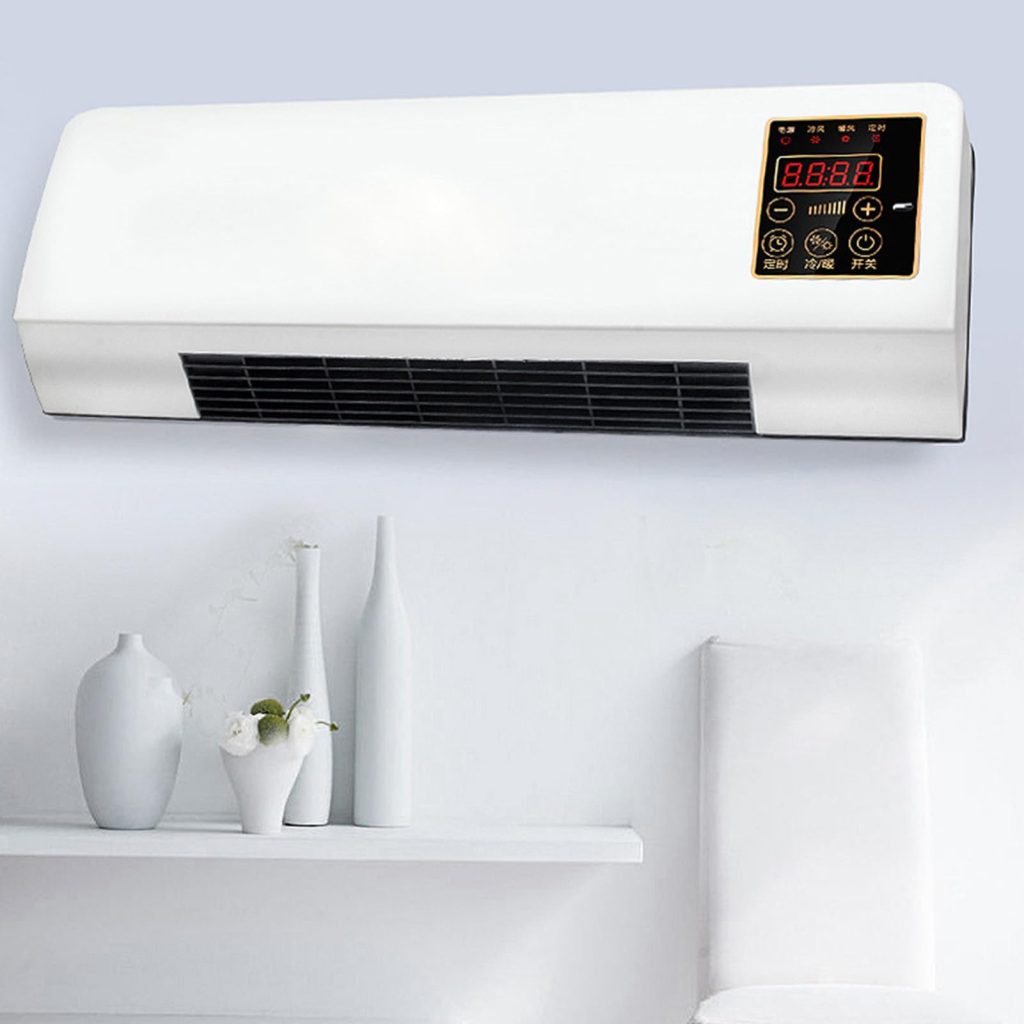
- Packed with advanced features.
- Equipped with H2i Plus® for superior performance in cold climates.
- Features 3D i-see Sensor® for intelligent airflow control.
- Includes Dual Barrier Coating for cleaner air conditioning.
2. MSZ-GS Indoor Wall-Mounted Unit
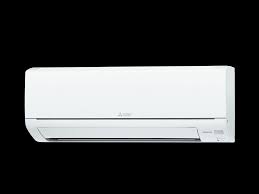
- A popular choice for single-zone installations.
- Compatible with H2i® for cold-weather efficiency.
- Offers a powerful mode for quick heating and cooling.
3. MSZ-HM Indoor Wall-Mounted Unit
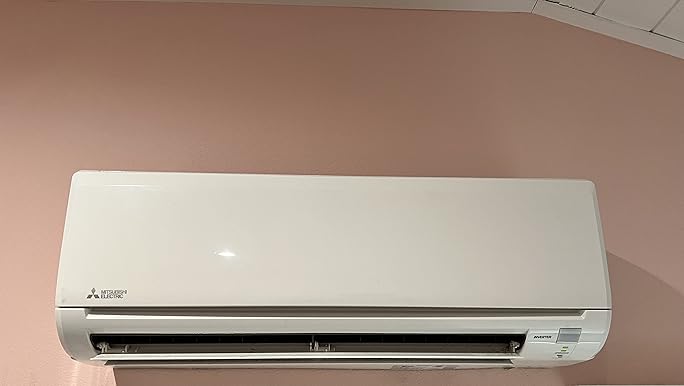
- Designed for areas with low voltage requirements.
- Perfect for spaces needing 115V compatibility.
Wall-mounted units provide accessible installation and reliable performance, making them a great fit for both homeowners and HVAC contractors looking for flexible and efficient solutions.
Advantages of Wall-Mounted Mini-Splits
- Wall-mounted systems are more budget-friendly than mini split ceiling cassette vs wall mount options.
- Their accessibility simplifies maintenance tasks like cleaning air filters or adjusting the ventilation.
Disadvantages of Wall-Mounted Mini-Splits
- Their visibility might clash with certain interior design preferences.
- Airflow may be directional, affecting large room coverage.
Wall-mounted mini-splits offer a practical, cost-effective solution for maintaining a comfortable climate without major construction, making them a smart investment for both HVAC contractors and homeowners.
Mini Split Ceiling Cassette Vs. Wall Mount Mini Split: What Are the Differences?
Choosing between a mini split ceiling cassette vs. wall-mount unit can feel tricky, especially if you’re not familiar with their differences. Each has unique benefits, and the right choice depends on your space, budget, and design preferences. Let’s break down how these two systems compare in key areas.
Aesthetics
A mini split ceiling cassette hides in the ceiling, giving your space a clean, modern look. In contrast, wall-mounted units are more visible, which might not suit every interior design. If maintaining a seamless appearance is a priority, the ceiling cassette mini split wins this round.
Air Distribution
Ceiling cassettes deliver multi-directional airflow, evenly cooling or heating larger areas. Wall-mounted systems focus on specific zones, making them ideal for smaller rooms or targeted temperature control.
Installation Complexity and Cost
Installing a ceiling cassette is more complex and costly due to the need for joist adjustments and duct integration. Wall-mounted units are simpler, quicker, and more budget-friendly to install.
Maintenance Considerations
Ceiling cassettes often require professional upkeep because of their ceiling placement. Wall-mounted units, however, are easily accessible, making DIY maintenance a breeze.
Both options excel in heating and cooling, but the best fit depends on your needs and priorities. Evaluate your space and budget to decide which system works for you.
Factors to Consider When Choosing Mini Split Ceiling Cassette or Wall-Mount Mini Split
1. Room Size and Layout
The size and layout of your space play a huge role in deciding between a ceiling cassette and a wall-mounted unit. Larger, open areas, like offices or living rooms, benefit from the multi-directional airflow of a ceiling cassette. For smaller spaces, like bedrooms or kitchens, a wall-mounted mini-split offers focused heating and cooling without taking up precious ceiling space.
2. Aesthetic Preferences
If keeping your space sleek is a priority, a ceiling cassette is your go-to. It stays tucked into the ceiling, offering a clean and modern look. Wall-mounted units, while functional, are more visible and might not blend seamlessly with your interior design.
3. Budget Constraints
Upfront costs vary significantly. A ceiling cassette typically requires a higher initial investment due to its complex installation. Wall-mounted units, on the other hand, are more budget-friendly, both in terms of purchase price and installation expenses.
4. Maintenance Accessibility
Think about how often you’ll clean and service the unit. A wall-mounted unit is easy to access for tasks like filter cleaning. A ceiling cassette might require professional help, as it’s mounted high and integrated with the ceiling structure.
Conclusion
Choosing between a ceiling cassette and a wall-mounted unit comes down to your needs, space, and budget. Both have their strengths and trade-offs, so assess what matters most to you. To make the best choice, consult with an experienced HVAC professional like Total Mini Split that can guide you through the process and ensure the right fit for your space.

