
Mini split multi-zone systems have revolutionized home heating and cooling, offering flexible, energy-efficient solutions for modern living spaces. Understanding the differences between single-zone and multi-zone mini split systems is crucial for making an informed decision that meets your specific comfort and efficiency needs.
Understanding Mini Split Multi-Zone Systems
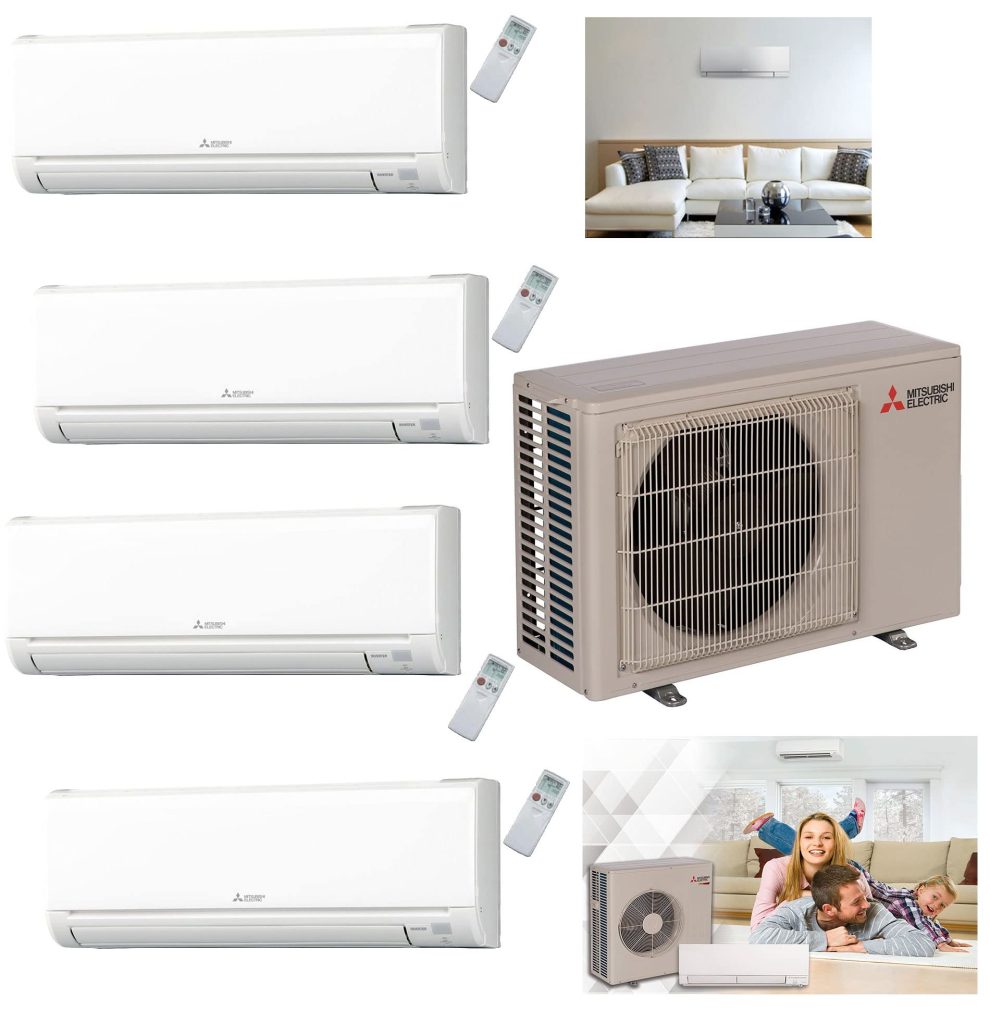
Multi-zone mini split systems offer a versatile heating and cooling solution with one outdoor unit connected to multiple indoor units. These systems enable independent temperature control across different rooms, providing personalized comfort and energy efficiency.
Supporting 2-5 zones from a single outdoor unit, they’re ideal for larger homes with diverse thermal needs. While installation costs are higher than single-zone systems, the benefits include targeted conditioning, reduced energy consumption, and improved comfort. Professional HVAC consultation can help design a configuration that matches a home’s unique layout and requirements.
Key Advantages of Mini Split Multi-Zone
- Personalized comfort across different rooms
- Targeted energy savings
- Reduced exterior unit clutter
- Flexible zone management
Important Considerations of Mini Split Multi-Zone
- Higher initial unit price and installation costs
- More complex installation process
- Potential efficiency challenges with varied usage patterns
Understanding Mini Split Single-Zone Systems
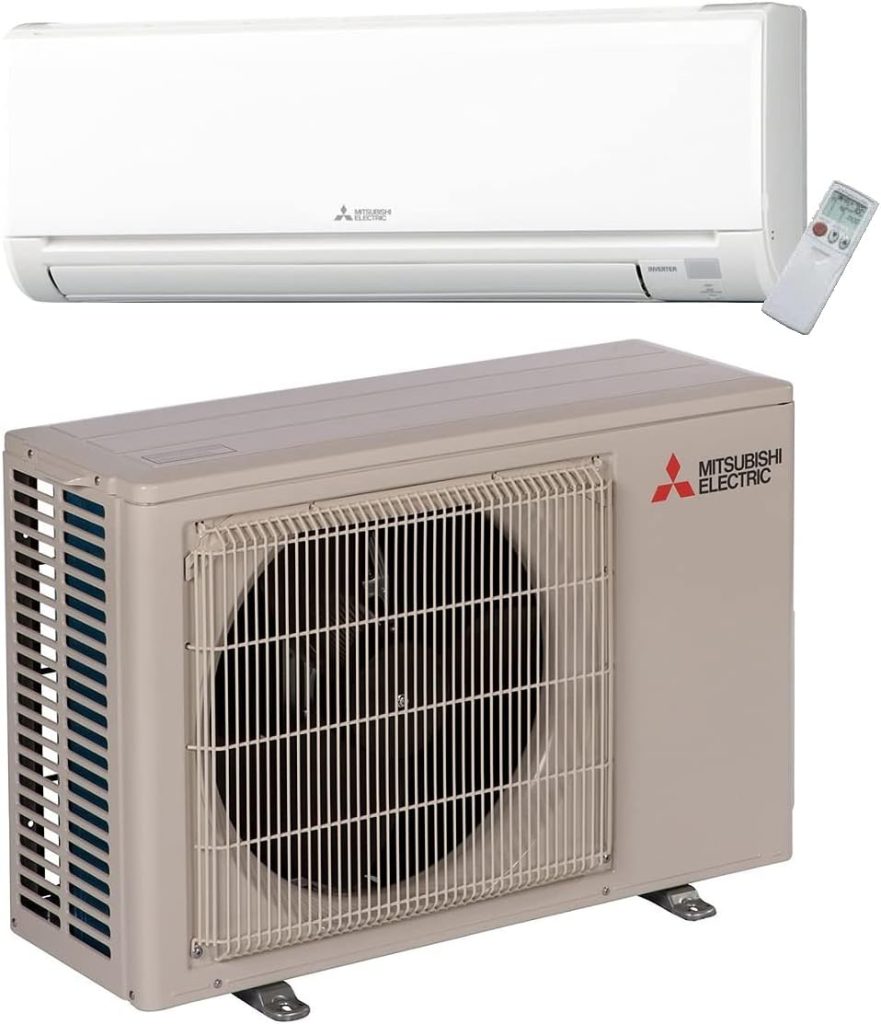
Single-zone split systems consist of one outdoor unit paired with a single indoor unit, designed to condition one specific room or area. These systems offer simple installation, high energy efficiency (up to 40 Seasonal Energy Efficiency Ratio ratings), and targeted heating and cooling without duct systems. They provide a cost-effective solution for precise temperature control, ideal for individual rooms or spaces with consistent usage.
Key Advantages of Mini Split Single-Zone
- Lower upfront costs
- Simplified installation
- High energy efficiency (up to 40 Seasonal Energy Efficiency Ratio ratings)
- No ductwork required
Important Considerations of Mini Split Single-Zone
- Limited to single-area conditioning
- Multiple units needed for whole-home coverage
- Potential aesthetic impact with multiple outdoor units
Mini Split Multi-Zone System Capabilities
Zone Flexibility
A multi-zone mini split system allows you to connect multiple indoor units to a single outdoor unit. This setup enables you to heat or cool different rooms or areas in your home independently. Typically, these systems can support between 2 to 5 zones, depending on the brand and manufacturer. Each indoor unit can be controlled separately, allowing for customizable temperature control in each zone.
Comparative Analysis: Single-Zone vs. Multi-Zone
| Characteristic | Mini Split Single-Zone | Mini Split Multi-Zone |
| Outdoor Units | One outdoor unit per indoor unit | One outdoor unit for multiple indoor units |
| Indoor Units | One indoor unit | Two to five indoor units |
| Installation Complexity | Simpler installation | More complex installation |
Mini Split Single-Zone Systems are ideal for:
- Heating or cooling individual rooms or specific areas.
- Spaces with consistent usage patterns.
- Targeted climate control in areas like garages, basements, or home offices.
Mini Split Multi-Zone Systems are better suited for:
- Larger homes with multiple rooms or floors.
- Homes where different rooms have varying usage patterns.
- Families with diverse comfort preferences, allowing each zone to be set to a different temperature.
Cost Implications
Mini Split Single-Zone Systems:
- Generally have a lower initial investment since only one indoor and one outdoor unit are needed.
- However, if multiple single-zone systems are installed to cover different areas, the cumulative unit price can be higher.
Mini Split Multi-Zone Systems:
- Have a higher upfront cost due to the need for a more complex outdoor compressor capable of supporting multiple indoor units.
- Offer potential long-term energy savings by allowing you to heat or cool only the zones in use.
- Provide centralized system management, simplifying maintenance and control.
Energy Efficiency Comparison
Mini Split Single-Zone Systems:
- Often have higher individual Seasonal Energy Efficiency Ratio (SEER) ratings, sometimes reaching up to 40 or more.
- This high efficiency is due to the system being optimized for a single room.
Mini Split Multi-Zone Systems:
- While individual SEER ratings per indoor unit may be lower compared to single-zone systems, the overall efficiency depends on usage patterns.
- If only some zones are used frequently, the system can be more efficient by not conditioning unused areas.
Crucial Selection Factors for Choosing Between Single-Zone and Multi-Zone Systems
Home Characteristics
Selecting the right system depends heavily on your home’s unique features:
- Home Size: Larger homes often benefit more from a multi-zone system due to the need for independent control in various rooms or levels. Smaller homes or apartments may find a single-zone system sufficient.
- Floor Plan Layout: Open floor plans may allow a single-zone system to efficiently heat or cool multiple areas. However, homes with multiple rooms or enclosed spaces might require a multi-zone mini split to maintain consistent temperatures.
- Room Configurations: Consider how rooms are used and whether they need different temperature settings. Bedrooms, for example, may need cooler settings than living areas.
- Existing Insulation: Poor insulation increases heat loss in winter and heat gain in summer, potentially requiring systems with higher BTU capacities. Multi-zone systems can mitigate energy waste by focusing only on occupied areas.
Occupant Considerations
Understanding the needs of the people living in your home is crucial for selecting the right system:
- Temperature Preferences: A multi-zone system is ideal for families with diverse temperature needs, allowing each zone to be customized for comfort.
- Room Usage Patterns: If some rooms are rarely used, a multi-zone system lets you avoid wasting energy by only conditioning occupied areas.
- Individual Comfort Needs: For example, an office space may need more air conditioning to offset equipment heat, while a child’s bedroom might require consistent temperature control throughout the night.
Budget Planning
Your budget, both for installation and long-term costs, plays a significant role in your decision:
- Initial Installation Costs: Single-zone systems have lower upfront costs because they involve fewer components. Multi-zone systems require a higher initial investment due to more indoor units and a more complex outdoor heat pump.
- Long-Term Operational Expenses: Multi-zone systems can save money in the long run by reducing energy use in unoccupied areas. Single-zone systems may cost more if you need multiple units to cover the same space.
- Potential Energy Savings: Multi-zone systems offer energy savings by tailoring usage to specific zones. For example, you can keep the living room comfortable while reducing energy use in empty guest rooms.
- Future Expansion Potential: If you plan to add rooms or expand your home, a multi-zone system offers better scalability. Many systems allow for additional indoor units to be added later, eliminating the need for separate installations.
Frequently Asked Questions
How Many Zones Do I Need?
The number of zones you need depends on your home’s layout and your specific heating and cooling needs. Consider the number of rooms, whether each requires separate temperature control, and how often they are used. For example, a large home with multiple bedrooms and living spaces may benefit from a multi-zone mini split, while a small apartment might only need a single zone.
Are Single-Zone or Multi-Zone Systems More Efficient?
Single-zone systems often have higher individual efficiency because they are optimized for one room. However, multi-zone systems offer adaptable efficiency, allowing you to condition only the areas in use. This can result in significant energy savings, especially in larger homes with varying room usage.
Conclusion
Choosing between single-zone and multi-zone mini split systems requires careful evaluation of your specific needs, home layout, and budget. While each system offers unique benefits, the right choice depends on your individual circumstances.
Consult a professional HVAC technician like Total Mini Split for personalized advice tailored to your specific situation.

