
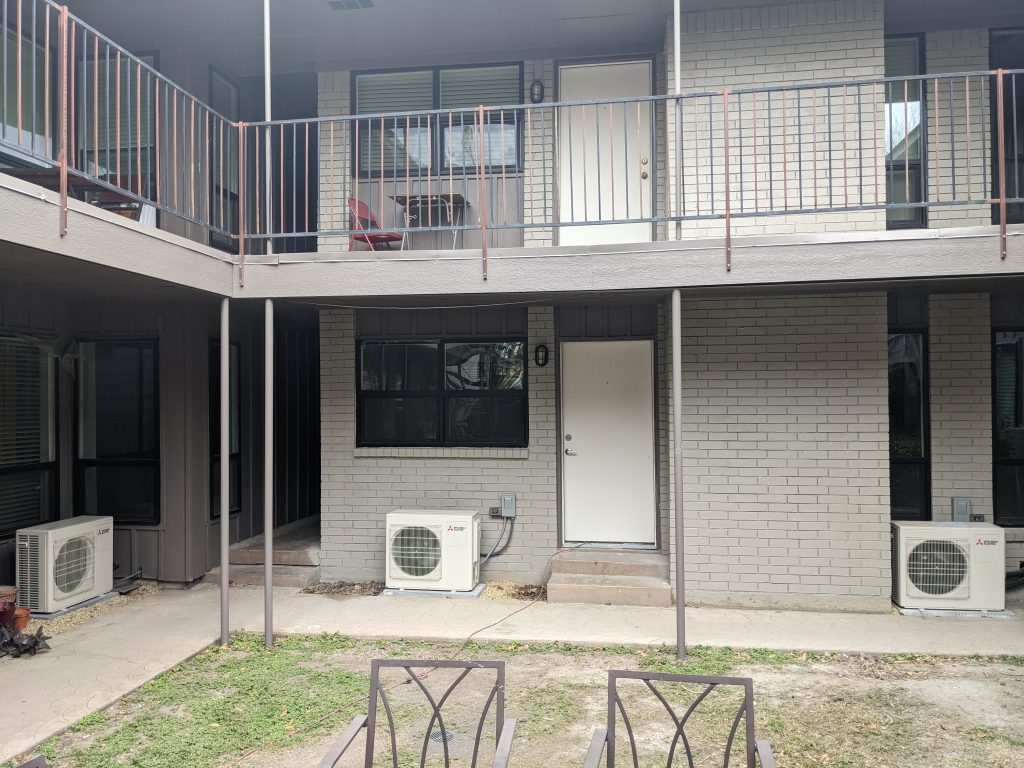
Mini split power consumption has been a hot topic in 2025, especially with rising energy costs on everyone’s mind. As inflation impacts utility bills, many homeowners are looking for efficient heating and cooling solutions. Mini splits have quickly become the go-to option, offering room-by-room temperature control without the need for ductwork or a bulky central air system. But the big question remains: how much power do mini splits really use, and are they worth it?
Let’s break down mini split power consumption in simple terms and help you understand what to expect on your electric bill.
What Is Mini Split Power Consumption?
Think of power consumption like your car’s fuel usage – it’s how much electricity your mini split needs to run. Just like cars come in different sizes, mini splits come in different cooling and heating powers (measured in BTUs).
Mini splits rely on key components like a compressor, refrigerant, and evaporator to transfer heat and maintain comfortable room temperature. This efficient heat transfer process ensures optimal energy usage for both heating and cooling.
Here’s a quick look at typical power usage:
| BTU Rating | Power Usage (Watts) | Best For |
| 9,000 BTU | 500-750W | Single room or small office |
| 12,000 BTU | 800-1,200W | Large bedroom or living room |
| 24,000 BTU | 1,500-2,200W | Multiple rooms or open floor plan |
How Much Electricity Does a Mini Split Use?
Mini Split Power Consumption by BTU Capacity
A 12,000 BTU mini split (perfect for a large bedroom) typically uses:
- Cooling capacity: 900-1,500 watts
- Heating capacity: 1,200-1,800 watts
For perspective, that’s less than your old window air conditioners or furnace systems!
Energy Usage Examples
Let’s say you run a 12,000 BTU mini split for 8 hours daily:
- Power use: 1,200 watts = 1.2 kilowatts
- Daily usage: 1.2 kW × 8 hours = 9.6 kWh
- Monthly estimate: 9.6 kWh × 30 = 288 kWh
Quick Tip: To calculate your cost, multiply kWh by your electric rate (find it on your bill).
Measuring Mini Split Power Consumption
Single vs. Multi-Zone Systems
Single-zone systems cool one room, while multi-zone systems handle several spaces. Multi-zone systems use more total electric power but save energy by cooling only rooms you’re using. Think of it like light switches – you wouldn’t light up every room in your basement, attic, or house at once, right?
Seasonal Factor of Mini Split Power Consumption
Understanding how mini splits perform throughout the year can help you anticipate energy consumption and plan accordingly. Seasonal variations impact how hard your system works to maintain comfortable indoor temperatures.
Winter
During the colder months, mini splits tend to use more electricity, with an average daily consumption of 10-15 kWh. This higher usage is particularly noticeable on extremely cold days when the system needs to work harder to maintain warmth. Additionally, defrost cycles, which prevent ice buildup on the outdoor unit, temporarily increase power needs.
Summer
In the summer, mini splits generally consume 8-12 kWh per day. Power usage often spikes during heat waves when the system operates at full capacity to cool your space. However, mini splits are most efficient during moderate temperatures, making them a cost-effective option for cooling compared to traditional air conditioning systems.
By understanding these seasonal patterns, you can optimize your mini split’s settings and usage to save on energy costs while staying comfortable year-round.
What Affects Your Mini Split Power Consumption?
Seasonal Energy Efficiency Ratio (SEER)
- Higher SEER = Better efficiency
- Modern units range from 16-30 SEER
- Each point increase = roughly 7% energy savings
Room Features
- Poor insulation increases energy consumption
- Direct sunlight affects cooling needs
- High ceilings require more airflow and cooling capacity
Usage Habits
- Setting extreme temperatures wastes electricity
- Programming schedules with a thermostat saves energy
- Regular maintenance, such as cleaning the air filter, improves indoor air quality and efficiency
Mini Split Power Consumption vs. Traditional AC Power Use Comparison
Mini splits typically use 30-40% less electric power than central HVAC systems because:
- No duct losses
- Zone-based temperature control
- More efficient technology, including variable speed compressors
Money-Saving Tips
Keeping your mini split system energy-efficient doesn’t have to be complicated. With the right approach, you can lower your electricity bills, extend the lifespan of your unit, and enjoy consistent comfort year-round. Here are practical tips to help you make the most of your mini split system while minimizing energy consumption.
1. Choose the Right Size
Selecting the right size mini split is essential for efficient energy usage. A system that’s too large wastes electricity by cycling on and off more frequently than necessary, while a system that’s too small struggles to maintain the desired room temperature, leading to excessive strain and reduced efficiency. To ensure proper performance, consider a professional sizing assessment to match the unit’s ton capacity to your specific space and needs.
2. Smart Usage
Smart usage habits can make a significant difference in energy consumption and overall efficiency. Utilize built-in timers and smart thermostats to regulate operation times and avoid unnecessary energy use. Maintaining reasonable temperature settings helps the system operate efficiently without overworking. Additionally, cleaning the air filters monthly ensures optimal airflow and indoor air quality, which can also help reduce electric power consumption.
3. Maintain Your System
Regular maintenance is crucial for keeping your mini split in peak condition. Schedule annual professional check-ups to identify and address potential issues before they become costly problems. Keep the outdoor condenser unit free from debris to maintain proper airflow and ensure efficient heat transfer. Lastly, check for leaks in plumbing connections to prevent wasted energy and avoid unnecessary wear on the system.
Ready to Save on Your Energy Bills?
Mini splits are one of the most efficient ways to heat and cool your space. Their advanced technology, including components like the crankcase heater and air handler, ensures balanced airflow while reducing costs. Whether you’re concerned about a boiler, a traditional oil furnace, or combustion systems, mini splits provide a cleaner, more sustainable alternative.
Want to know if a mini split is right for your home? We can connect you with trusted professionals who’ll help you choose the perfect system. They’ll consider your climate, budget, and energy goals to recommend the most efficient solution.
Contact us today for a free energy audit and start saving with renewable energy solutions!

