
So you’ve been thinking about upgrading your home’s cooling system, and you’ve heard about mini splits. Let me tell you, I’ve been in this business for a while. I spent years helping homeowners make their homes more energy-efficient, sealing up leaks and adding insulation.
One of the most interesting and popular systems I’ve come across in recent years is the mini split central air conditioning system. It combines flexibility, efficiency, and ease of use, making it an attractive option for homeowners. But, like any system, it comes with its pros and cons.
In this article, I’ll walk you through the advantages and disadvantages of mini split air conditioning systems based on my experience in the field, helping you understand if this system might be the right choice for your home.
What is a Mini Split Air Conditioning System?
To start, let’s break down what exactly a mini split central air conditioning system is. A mini split system consists of two main components: an outdoor compressor unit and one or more indoor air handlers.
These systems use refrigerant lines to connect the indoor and outdoor units, delivering cool or warm air where it’s needed. Unlike traditional central air systems that rely on ducts to distribute air throughout the home, mini splits are ductless, which makes them highly efficient and easy to install.
The Pros of Mini Split Air Conditioning Systems
1. Energy Efficiency
One of the biggest selling points of mini split systems is their energy efficiency. Traditional HVAC systems can lose a lot of energy through ductwork, especially if it’s old or poorly insulated.
With mini splits, there are no ducts, so you’re not wasting energy to move air throughout the home. This translates to lower energy bills, and in my experience, homeowners can save anywhere from 20% to 30% on their energy costs after switching to a mini split system.
2. Zoning Capabilities
Mini splits offer the unique advantage of zoning. This means that you can control the temperature in different rooms independently, allowing you to customize the climate in each area of your home.
For instance, you can keep your bedroom cooler while leaving your living room warmer. This is perfect for families with varying preferences or homes with multiple levels. I’ve seen many homeowners appreciate this flexibility, as it eliminates the need to heat or cool unused spaces.
3. Easy Installation
Compared to traditional HVAC systems that require extensive ductwork, mini split systems are relatively easy to install. The process typically involves only drilling small holes for refrigerant lines, making installation quicker and less invasive.
This can save you money on installation costs, especially in homes without existing ductwork. Over the years, I’ve installed hundreds of mini split systems, and I’ve seen firsthand how simple and efficient the process can be.
4. Quiet Operation
Mini split systems are known for their quiet operation. The indoor units are much quieter than traditional air conditioners, and because they don’t rely on large air ducts, there’s less noise overall.
As someone who’s worked in a variety of home environments, I can’t tell you how many homeowners have expressed how much they appreciate the peace and quiet mini splits provide especially compared to the constant hum of traditional systems.
5. Flexibility in Design
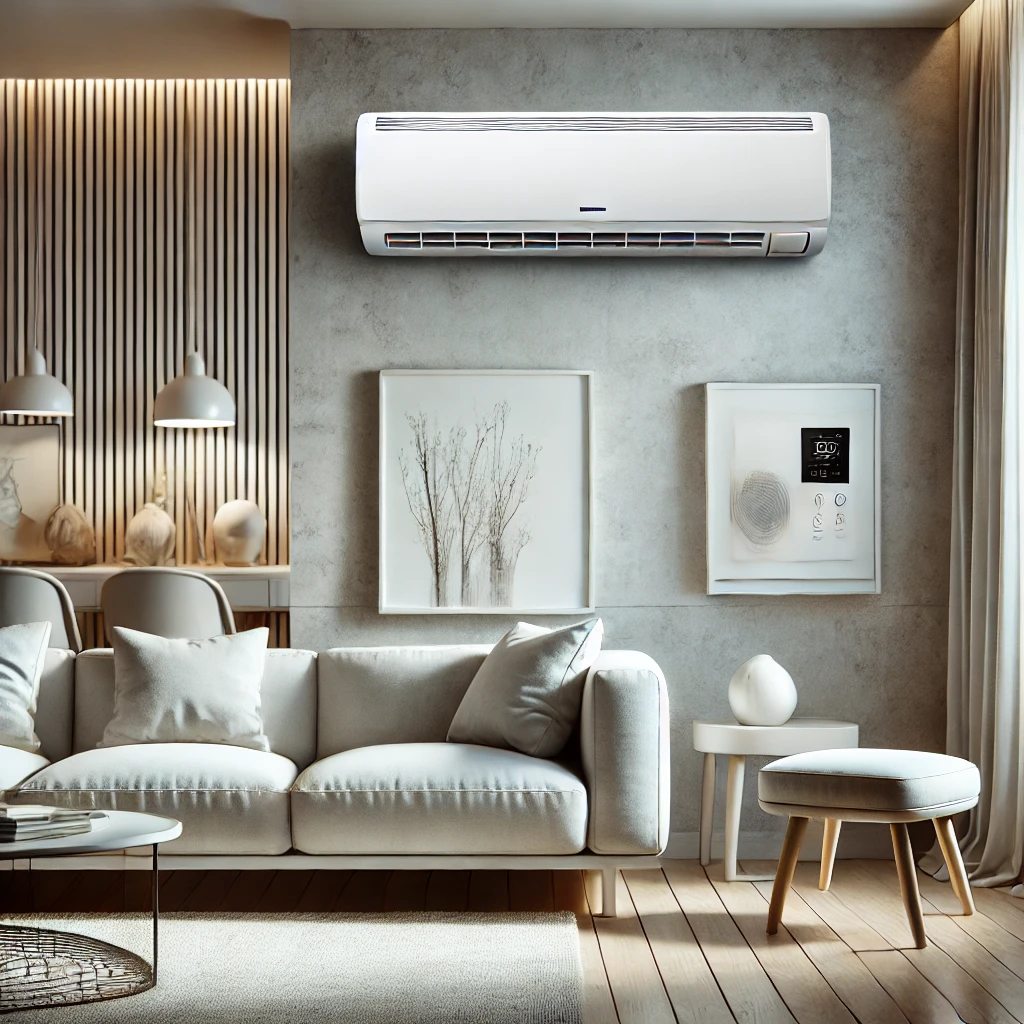
Mini splits offer more flexibility than other systems when it comes to design. They come in various sizes and styles, including wall-mounted, ceiling-mounted, and even floor-mounted units.
This variety allows you to choose the best configuration for your space. I’ve worked with homeowners who’ve been able to seamlessly incorporate mini splits into their homes without sacrificing style or functionality.
The Cons of Mini Split Air Conditioning Systems
1. Higher Upfront Cost
While mini splits can save you money in the long run through energy efficiency, the upfront cost can be higher than traditional air conditioning systems. The units themselves tend to be more expensive, and if you’re installing multiple units, the costs can add up quickly.
However, in my experience, the long-term savings often outweigh the initial expense. Plus, the cost of installation is typically lower than installing a ducted system, especially if you don’t already have ductwork in place.
2. Aesthetic Concerns
While mini splits are flexible in terms of installation, some homeowners have concerns about the appearance of the indoor units. Wall-mounted units, for example, may not be to everyone’s taste. However, I’ve worked with many clients who’ve found creative ways to integrate the units into their decor, or they’ve chosen models that are sleek and less obtrusive. If aesthetics are a priority, it’s worth discussing your options with an HVAC professional to find the best solution for your space.
3. Maintenance Requirements
Though mini splits generally require less maintenance than traditional HVAC systems, they still need regular care to keep them running efficiently. Filters need to be cleaned or replaced regularly, and the outdoor compressor unit should be kept free of debris.
The maintenance for mini splits is much simpler and less frequent than that of traditional systems, but it’s important to stay on top of it to prevent any issues down the road.
4. Limited Coverage Area
While mini splits are perfect for smaller homes or specific areas like a garage conversion or a guest house, they may not be the best solution for larger homes with multiple floors. Each indoor unit is typically designed to cover one room or a small area. In larger homes, you might need several units, which could increase the overall cost.
However, in many cases, I’ve been able to solve this problem by strategically placing units to maximize coverage.
5. Potential for Uneven Cooling or Heating
Although mini splits offer excellent zoning capabilities, there can be challenges in ensuring even distribution of air, especially if you’re cooling multiple rooms with one unit. I’ve worked on several projects where proper unit placement and airflow management were critical to achieving even temperatures throughout the home.
With careful planning, these challenges can usually be overcome, but it’s important to work with an experienced HVAC professional to ensure your system is designed to meet your needs.
Conclusion: Is a Mini Split System Right for You?
After years of working with homeowners to find the best HVAC solutions, I can confidently say that mini split air conditioning systems are a fantastic option for many homes. They offer energy efficiency, flexibility, and quiet operation- perfect for homeowners who want better control over their indoor climate. However, they might not be the right choice for every situation. Larger homes or homes with specific aesthetic preferences may not benefit as much from this system.
If you’re considering a mini split system, I recommend speaking with an experienced HVAC professional who can assess your needs and help you determine if this system is the right fit for your space. Ultimately, a mini split system can be a great investment for your home, offering comfort, efficiency, and savings for years to come.

