
Winter is on the way, and as the temperatures drop, your heat pump should be working overtime to keep you warm. But what happens when it freezes up? It can be frustrating and inconvenient.
With over 11 years of experience in HVAC and energy-efficient homes, I’ve fixed countless heat pump freezing issues for homeowners. I’ve worked from sealing ducts and air filters to installing modern air source heat pumps and improving indoor air quality. And I will tell you exactly how you can fix your freezing heat pump and how to prevent it from happening again in the future.
How Do Heat Pumps Work?
Heat pumps are efficient systems that rely on proper airflow, heat transfer, and ventilation to function. However, a frozen heat pump can disrupt your heating system, increase energy bills, and even damage key components like the compressor, evaporator, and reversing valve.
Heat pumps work by transferring heat between your home and the outside air. In winter, they pull heat from the outdoor air and pump it inside. In summer, they reverse the cycle, pushing heat out to keep your home cool.
But when frost, snow, or moisture causes a heat pump freeze, your heating system can’t work efficiently. Let’s explore the common causes of a freezing heat pump, how to prevent it, and what to do if your heat pump froze.
Common Causes of a Freezing Heat Pump
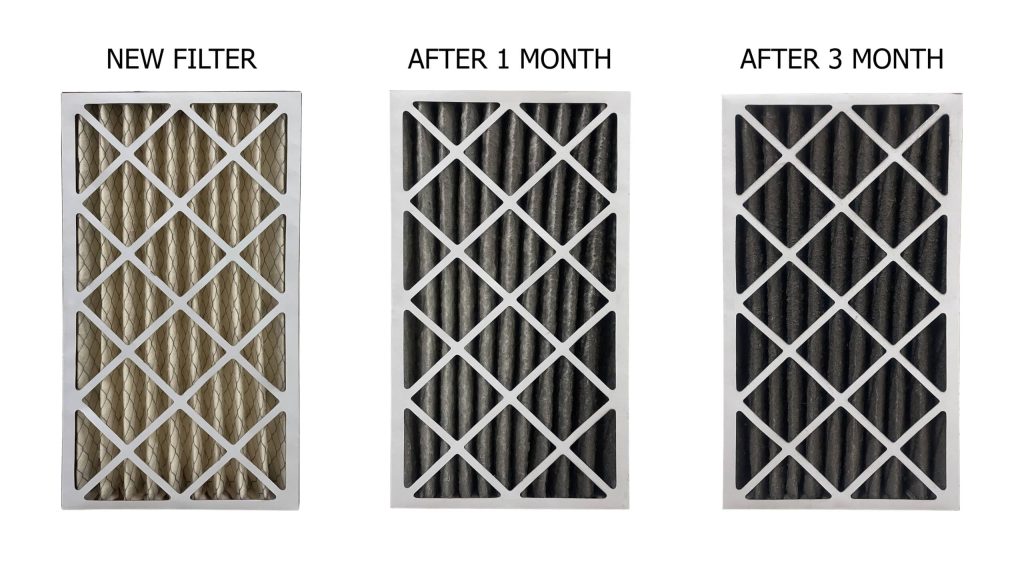
Dirty Air Filters- A clogged air filter restricts airflow and reduces heat transfer, leading to frost on the evaporator coils. I highly suggest you replace your air filters regularly to prevent freezing.
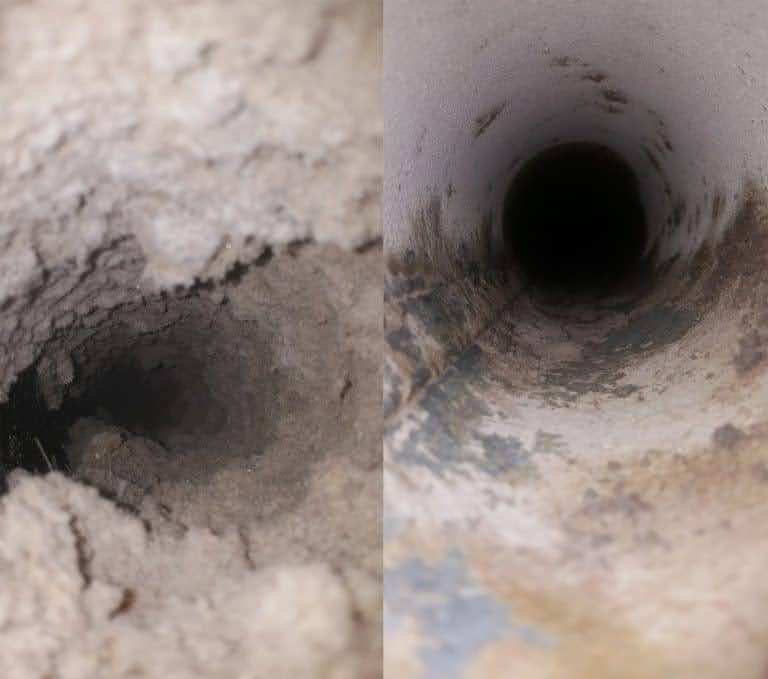
Blocked Vents and Ducts- Blocked ventilation or ducts disrupt airflow, causing uneven heat distribution and freezing. Now, it’s about time to clear any debris around vents to improve efficiency.
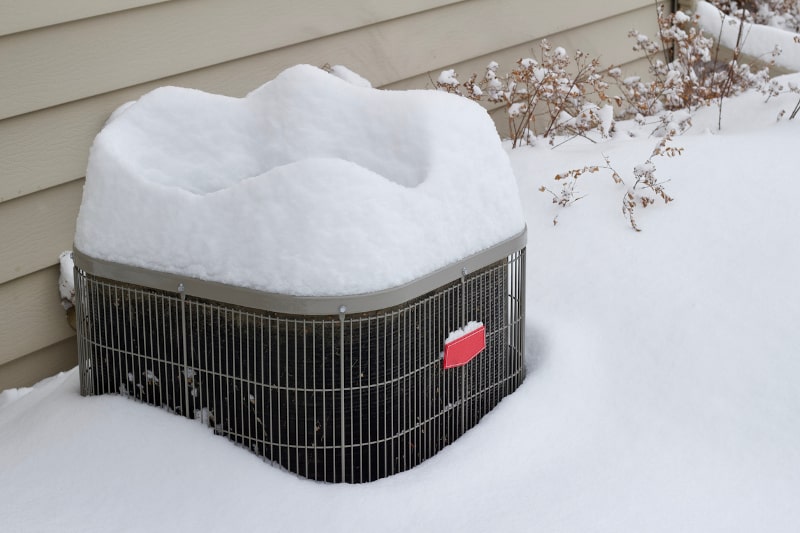
Heavy Snow and Ice- Accumulated snow around the outdoor unit can trap water vapor, which freezes and blocks the condenser. Keep the area clear of snow and ensure proper drainage to avoid issues.
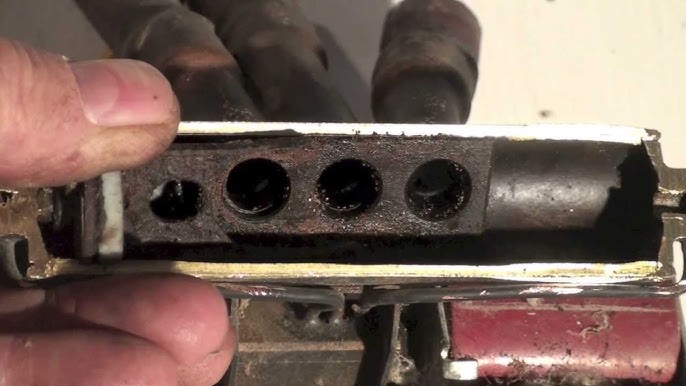
Faulty Reversing Valve- The reversing valve switches the system from heating to cooling mode. If it malfunctions, it can cause a heat pump freeze. Call HVAC professionals for an inspection if this occurs.
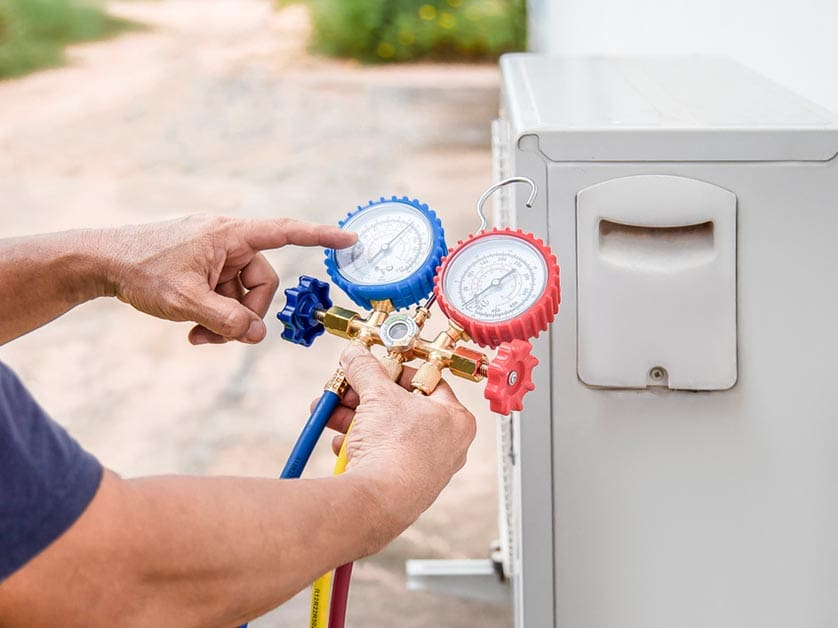
Low Refrigerant Levels- Low levels of refrigerant like Freon can reduce pressure in the system, leading to frost. A leak in the refrigerant pipe often requires professional repair.
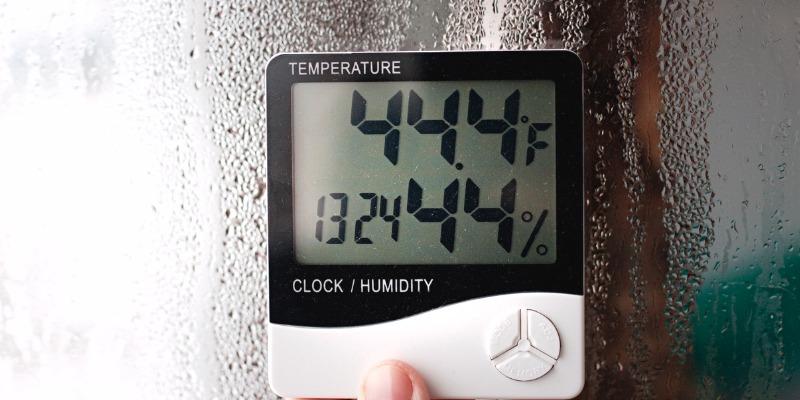
Moisture and Humidity- High humidity levels or excess moisture near the unit can freeze, especially in cold climates. Adding a humidifier or dehumidifier may help balance humidity.
The Effects of Heat Pump Freeze-Up in Winter
When your heat pump freezes up in winter, it’s more than just an inconvenience and I know dozens of homeowners felt rage because of this. A frozen heat pump can lead to a series of problems that affect your comfort, energy bills, and the lifespan of your system. Let’s break down the effects:
- Reduced Heating Efficiency
A heat pump covered in ice cannot transfer heat effectively. This forces the system to work harder to warm your home, leading to uneven temperatures and a drop in overall efficiency. - Increased Energy Bills
When your heat pump struggles to operate, it uses more electricity to compensate. That spike in energy consumption can quickly show up in your utility bill. - System Damage
Prolonged freezing can cause damage to components like the compressor and coils. If ice builds up inside the unit, it can lead to costly repairs or even a total system breakdown. - Shortened System Lifespan
Frequent freeze-ups put unnecessary strain on your heat pump, reducing its lifespan. A system that should last 10-15 years might need replacing much sooner if the issue isn’t resolved. - Poor Airflow
When ice blocks the outdoor unit, airflow is restricted, which reduces the heat pump’s ability to draw in air for heating. This not only impacts performance but can also cause further freezing.
How to Prevent Your Heat Pump From Freezing
Step 1: Maintain Proper Airflow
Good airflow prevents freezing. Check your air filter monthly and replace it if it’s dirty. Inspect ducts for obstructions and ensure vents aren’t blocked by furniture or debris. Annual inspection by HVAC professionals can ensure proper pressure levels and identify potential leaks.
Step 2: Keep the Outdoor Unit Clear
Regularly remove snow, debris, and ice from the outdoor unit. Use a broom to clear the area and ensure proper drainage to prevent water vapor from freezing. Consider installing a shelter or cover that allows for good ventilation to protect the unit.
Step 3: Monitor for Frost and Ice
Check for frost on the condenser, evaporator, or pipes. If you notice ice, turn off the thermostat to let the system defrost naturally. Persistent freezing may indicate a sensor or compressor issue that needs professional attention.
Troubleshooting a Frozen Heat Pump
If your heat pump froze, follow these steps:
- Turn Off the Heat Pump
Switch off the system at the thermostat to prevent further damage to the boiler, compressor, or air handler. - Inspect the Unit
Look for ice on the evaporator coils, condenser, or fans. Clear visible frost with a soft cloth or brush, but avoid using sharp objects that could damage the unit. - Use the Defrost Mode
Activate the defrost mode to melt ice by reversing the heat transfer cycle. Follow the manufacturer’s instructions to avoid overuse, which can strain the system. - Call an Expert
If the freezing continues, contact HVAC professionals. They can identify deeper issues, such as a refrigerant leak, faulty valve, or blocked drainage system.
Conclusion
A freezing heat pump can disrupt your comfort and lead to costly repairs. Regular maintenance, such as replacing air filters, clearing debris, and ensuring proper ventilation, is the best way to prevent issues. When your heat pump froze, act quickly by defrosting it safely or seeking professional help. With the right care, your heating system will keep you warm all winter and cool all summer, no matter the climate.

